 Save
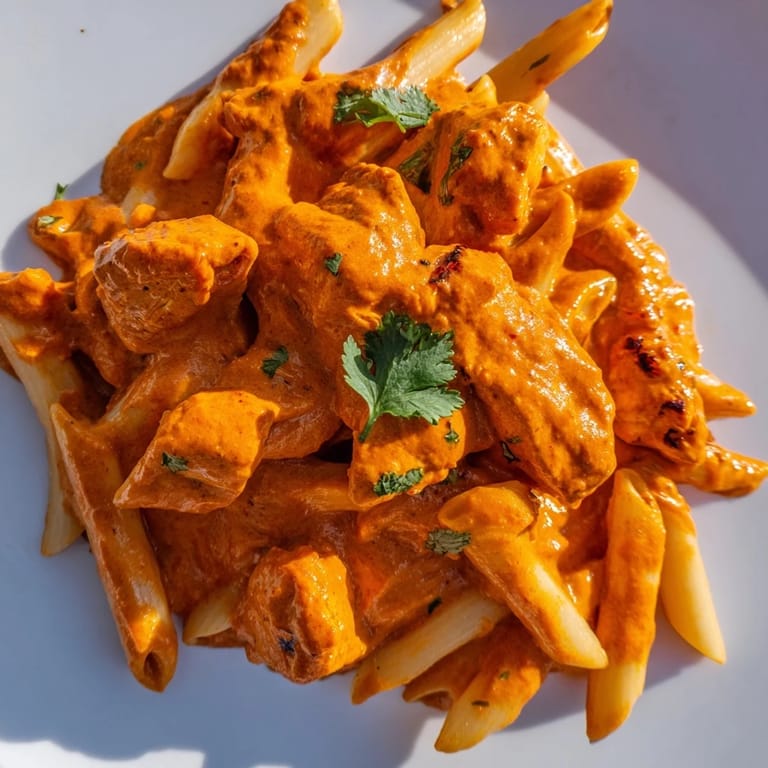
Save My housemate walked in one Thursday night craving butter chicken but we had no rice, only a box of penne sitting in the cupboard. I had marinated chicken thighs that morning out of habit, not knowing what I'd do with them. We stood there staring at each other, then at the pasta, and something just clicked. What came out of that pan half an hour later tasted like the best kind of accident.
I made this for a small dinner party once and watched my Italian friend pause mid-bite, confused but smiling. She said it shouldn't work but it absolutely did. By the end of the night, she was using garlic naan to scoop up every last bit of sauce from her bowl. That's when I knew this dish had earned its place in my regular rotation.
Ingredients
- Boneless chicken breast or thigh (500 g): Thighs stay more tender and forgiving if you overcook them slightly, but breasts work beautifully if that's what you have on hand.
- Plain yogurt (120 g): This is what tenderizes the chicken and clings to every piece, creating that classic tikka coating that crisps up under heat.
- Lemon juice (2 tbsp): Brightens the marinade and cuts through the richness later when everything comes together in the pan.
- Garlic (2 cloves for marinade, 2 for sauce): Freshly minced makes all the difference, the jarred stuff just doesn't have the same punch.
- Ginger (1 tbsp grated): Use a spoon to scrape the skin off before grating, it's faster and wastes less of the flesh.
- Garam masala (1½ tsp for chicken, 1 tsp for sauce): The warm backbone of this dish, lending cinnamon, cardamom, and clove notes that make it unmistakably Indian.
- Ground cumin (1 tsp): Adds earthy depth to the marinade and pairs perfectly with the tomatoes in the sauce.
- Ground coriander (1 tsp): Subtle and slightly citrusy, it balances the heavier spices without shouting.
- Paprika (1 tsp): For color and a gentle sweetness, not heat.
- Chili powder (½ tsp for chicken, ½ tsp for sauce): Start conservatively, you can always add more at the end but you can't take it back.
- Vegetable oil (2 tbsp): Helps the marinade coat the chicken evenly and prevents sticking during roasting.
- Penne pasta (300 g): The ridges and hollow centers grab onto the creamy sauce, but fusilli or rigatoni work just as well.
- Butter (1½ tbsp): Gives the sauce base a silky richness that oil alone can't replicate.
- Onion (1 medium, finely chopped): The finer you chop it, the more it melts into the sauce and disappears, leaving only sweetness behind.
- Canned crushed tomatoes (400 g): The backbone of the sauce, providing acidity and body without needing fresh tomatoes out of season.
- Tomato paste (2 tbsp): Concentrates the tomato flavor and helps thicken the sauce so it clings to every piece of pasta.
- Sugar (1 tsp): Balances the acidity of the tomatoes and rounds out the spice blend.
- Double cream (120 ml): This is what makes the sauce luxurious and coats your tongue in the best way.
- Whole milk (60 ml): Thins the cream just enough so the sauce doesn't feel too heavy.
- Fresh cilantro (2 tbsp chopped): A handful of this at the end brings brightness and a pop of green that makes the whole dish look alive.
Tired of Takeout? 🥡
Get 10 meals you can make faster than delivery arrives. Seriously.
One email. No spam. Unsubscribe anytime.
Instructions
- Marinate the chicken:
- Whisk together yogurt, lemon juice, garlic, ginger, and all the spices in a bowl until smooth and fragrant. Toss in the chicken pieces and use your hands to really work the marinade into every crevice, then cover and refrigerate for at least thirty minutes or up to overnight.
- Roast or grill the chicken:
- Preheat your oven to 220°C or get a grill pan screaming hot over medium high heat. Spread the marinated chicken on a lined baking tray or grill pan and roast for ten to twelve minutes until the edges char slightly and the chicken is cooked through with no pink inside.
- Cook the pasta:
- Bring a large pot of salted water to a rolling boil and cook the penne until al dente, following the package timing. Drain it well and set it aside, don't rinse it or the sauce won't cling properly.
- Build the sauce base:
- Melt butter in a large skillet over medium heat, then add the chopped onion and cook for three to four minutes until soft and translucent. Stir in the garlic and fry for just one minute until it smells incredible but hasn't browned.
- Simmer the tomato sauce:
- Add crushed tomatoes, tomato paste, sugar, garam masala, and chili powder to the skillet and stir everything together. Let it simmer gently for eight to ten minutes, stirring now and then, until the sauce thickens and the raw tomato smell fades.
- Finish with cream:
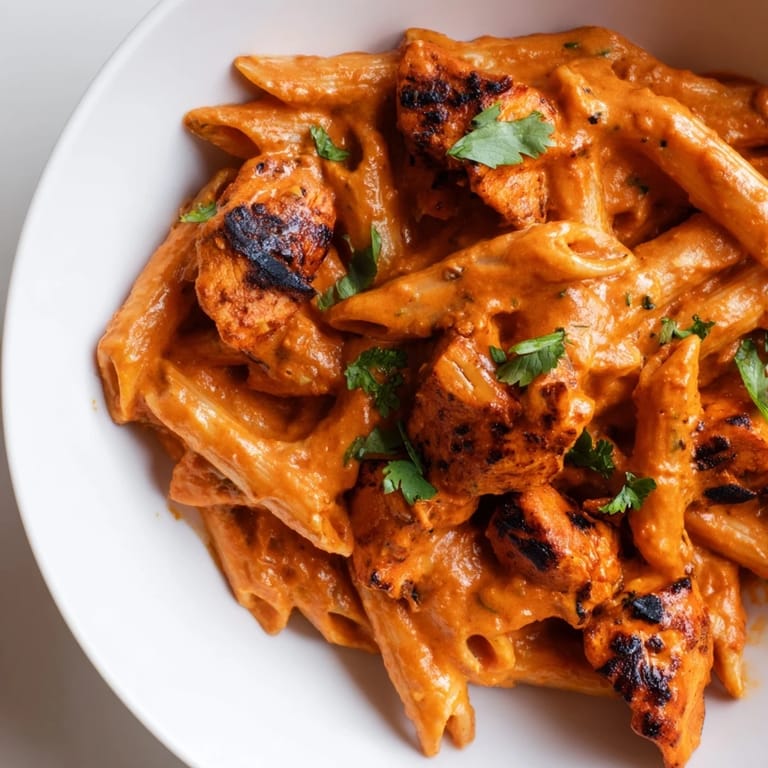
- Pour in the double cream and milk, season with salt and pepper, and simmer for another two minutes until the sauce turns a gorgeous coral color and coats the back of a spoon.
- Combine everything:
- Add the cooked chicken tikka pieces into the sauce first, then toss in the drained pasta. Use tongs to lift and turn everything until every piece is coated in that creamy spiced sauce.
- Garnish and serve:
- Scatter chopped fresh cilantro over the top and serve it straight from the skillet while it's still steaming hot.
 Save
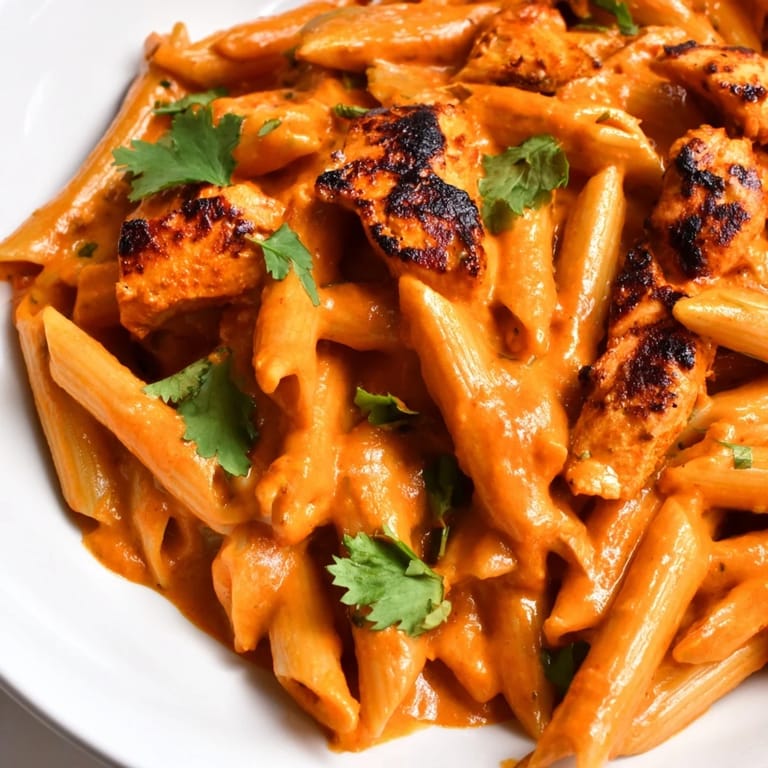
Save The first time I plated this, I wasn't sure if it would feel like fusion or confusion. But when I twirled that first forkful and tasted the garam masala mingling with creamy tomato and tender pasta, I realized some combinations don't need permission. They just need a hungry cook willing to trust their instincts.
Adjusting the Heat
I've made this for friends who can't handle spice and others who douse everything in hot sauce. The beauty is you can dial it up or down without losing the aromatic warmth that makes the dish sing. Start with the half teaspoon of chili powder in both the marinade and sauce, then taste before serving. A pinch of cayenne or a finely chopped green chili stirred in at the end gives heat without bitterness. If you've gone too far, a extra splash of cream or a squeeze of lemon juice will calm things down.
Storing and Reheating
Leftovers keep beautifully in an airtight container in the fridge for up to three days. When you reheat it, add a splash of milk or water to the pan because the pasta will have absorbed some of the sauce overnight. I actually prefer it the next day when the spices have had time to settle into every noodle. Reheat gently over low heat, stirring often, and it'll taste just as good as the first time.
Serving Suggestions
This dish is rich enough to stand on its own, but I love serving it with something crisp and green on the side. A simple arugula salad with lemon and olive oil cuts through the creaminess perfectly. Garlic naan is also a favorite at my table, everyone ends up using it to mop up the sauce. If you want to make it feel more like an occasion, a cold glass of lassi or even a light white wine works surprisingly well.
- Serve with garlic naan or warm pita for scooping up every last bit of sauce
- Pair with a crisp green salad dressed in lemon juice and olive oil
- A cold mango lassi or a chilled Pinot Grigio complements the spices beautifully
 Save
Save This recipe taught me that the best meals often come from curiosity rather than tradition. Make it your own, adjust it to your taste, and don't be afraid to break a few culinary rules along the way.
Recipe FAQ
- → How long should I marinate the chicken?
Marinate the chicken for at least 30 minutes, but overnight is preferred for deeper, more developed flavor from the yogurt, spices, and aromatics.
- → Can I use a different pasta shape?
Yes, fusilli or rigatoni work wonderfully as substitutes for penne. Choose any short pasta shape that holds the creamy sauce well.
- → What's the best way to cook the chicken tikka?
Roast in a preheated oven at 220°C for 10-12 minutes until cooked through and slightly charred, or grill on medium-high heat using a grill pan for similar results.
- → How can I make this dish lighter?
Replace double cream with half-and-half or evaporated milk to reduce the fat content while maintaining the creamy texture and richness of the sauce.
- → What should I serve alongside this dish?
Garlic naan pairs beautifully with this fusion dish, or serve with a crisp green salad to balance the richness of the creamy sauce.
- → How do I adjust the spice level?
Add more chili powder or a pinch of cayenne pepper to increase heat. Start with small amounts and adjust to your preference before serving.