 Save
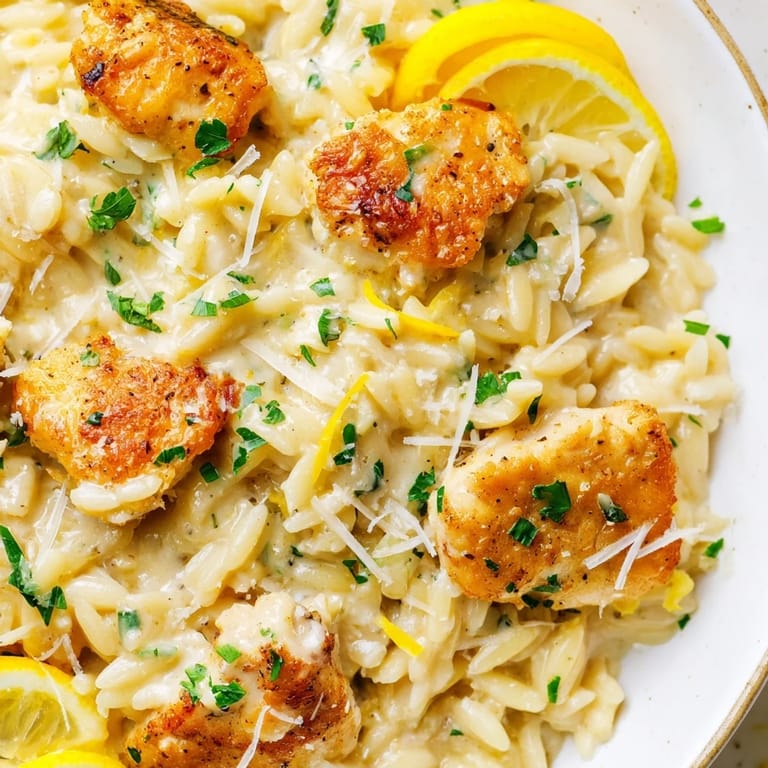
Save There's something about a weeknight when the kitchen feels a bit chaotic, and you need dinner on the table without fuss. I discovered this creamy lemon chicken orzo on an evening when I had leftover chicken and a lemon on the counter, and it became the dish I reach for when I want something that tastes restaurant-quality but comes together in under an hour. The way the pasta soaks up that buttery, lemony sauce while the chicken stays tender is pure comfort in a pan. It's the kind of meal that makes everyone at the table slow down and actually enjoy their food.
I made this for my sister during her first week in her new apartment, when her kitchen was still mostly empty boxes and a single skillet. She took one bite and said it tasted like something you'd pay for at a nice restaurant, and I loved watching her realize she could make that herself. Now it's her go-to when she wants to impress someone or just feel proud of what's on her plate.
Ingredients
- Boneless, skinless chicken breasts: Cut them into bite-sized pieces so they cook quickly and absorb the sauce—uneven sizes mean some pieces finish before others, so aim for consistency.
- Olive oil: Just enough to get a good sear on the chicken and build those flavorful browned bits at the bottom of the pan.
- Unsalted butter: It melts into the onions and creates the base for everything creamy that follows.
- Yellow onion: Finely chopped so it softens into the sauce rather than staying as chunks.
- Garlic: Minced fresh is essential—it blooms when it hits the hot pan and fills your kitchen with that unmistakable aroma.
- Orzo pasta: This rice-shaped pasta is perfect because it cooks right in the sauce and becomes almost creamy on its own.
- Low-sodium chicken broth: The foundation of the sauce, so choose one you'd actually drink if you tasted it straight.
- Heavy cream: This is what makes it rich and luxurious—don't skip it, but you can use half-and-half if you prefer something lighter.
- Fresh lemon: Both zest and juice are crucial; the zest adds a floral brightness while the juice cuts through the richness.
- Dried thyme: Just a whisper of it, enough to add depth without overpowering the lemon.
- Red pepper flakes: Optional, but a tiny pinch wakes up the whole dish if your palate likes that kind of gentle heat.
- Parmesan cheese: Freshly grated if possible—it melts differently and tastes miles better than pre-grated.
- Fresh parsley: Chopped at the end, it adds color and a fresh, peppery note that balances the richness.
Tired of Takeout? 🥡
Get 10 meals you can make faster than delivery arrives. Seriously.
One email. No spam. Unsubscribe anytime.
Instructions
- Season and sear the chicken:
- Pat your chicken pieces dry and season them generously with salt and pepper—this is your only chance to season them before they hit the pan. Heat olive oil until it shimmers, then add the chicken and let it sit undisturbed for a minute so it gets golden and develops flavor before you stir.
- Build your aromatics:
- Once the chicken is golden and cooked through, set it aside on a plate. In the same pan, melt butter and add your finely chopped onion, stirring until it turns soft and fragrant. Add the garlic and let it sizzle for just a moment—this is where so much of the dish's flavor comes from.
- Toast the orzo:
- Pour in your dry orzo and stir it around in the butter for a couple of minutes. You'll notice it starts to smell a bit nutty, which means it's developing flavor and won't taste starchy when it cooks.
- Create the sauce base:
- Pour in your chicken broth slowly, scraping the bottom of the pan with a wooden spoon to release all those browned, flavorful bits—that's liquid gold for your sauce. Add the cream, lemon zest, lemon juice, thyme, and red pepper flakes if you're using them, then bring everything to a gentle simmer.
- Finish cooking:
- Return the chicken to the pan and let everything cook together, stirring occasionally, until the orzo is tender and the sauce coats the back of a spoon. Taste as you go—you want the lemon to be bright and present, not hidden.
- Final touches:
- Stir in the Parmesan and fresh parsley, then taste and adjust the seasoning with a pinch more salt and pepper if needed. Serve warm with extra parsley and a few lemon slices on top.
 Save
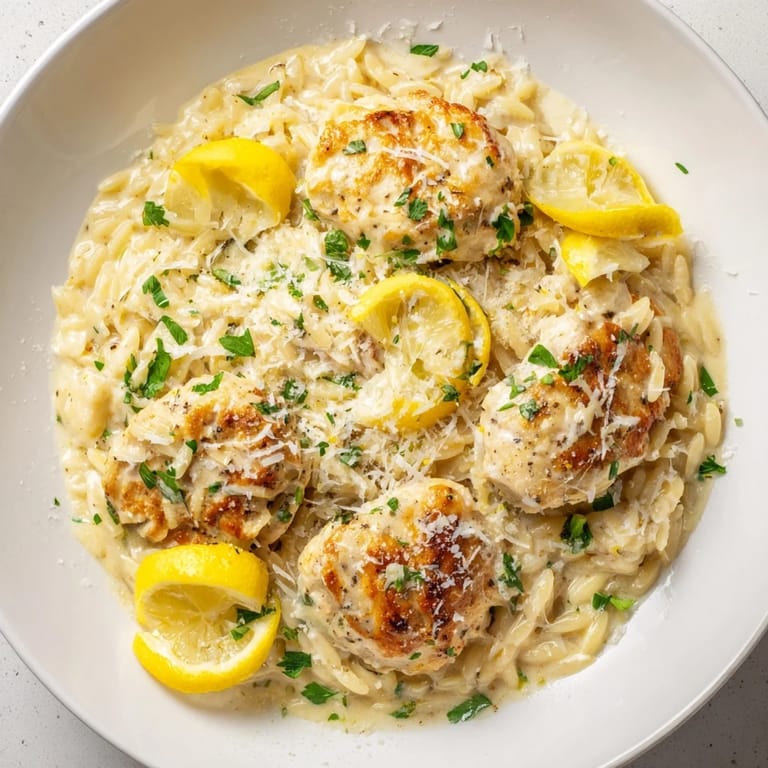
Save There's a moment, maybe three minutes before this finishes cooking, when the whole pan starts to smell like something you've only had at a restaurant—that combination of lemon, cream, and garlic hits you at once. That's when I know it's going to be good, and it's usually when someone walks into the kitchen asking what's for dinner.
Variations and Swaps
This recipe is more flexible than you might think. I've made it with shrimp instead of chicken on nights when I wanted something a bit lighter and faster, and it's just as delicious—shrimp only needs about three minutes in the pan. You can add fresh spinach or peas in the final minutes for color and nutrition, and it won't change the balance of the dish. If heavy cream feels too indulgent, half-and-half or even whole milk work perfectly well, though the sauce won't be quite as velvety. Some versions include a splash of white wine after toasting the orzo, which adds another layer of depth if you happen to have an open bottle.
Pairing and Serving
A crisp, cold glass of Pinot Grigio or Sauvignon Blanc is almost made for this dish—the acidity cuts through the cream and echoes the lemon. Serve it family-style straight from the pan if you're feeding people you're comfortable with, or plate it individually with a lemon slice and some extra parsley on top if you want to feel a bit fancy. It doesn't need a side dish, but if you're looking for something on the plate next to it, a simple green salad dressed with lemon vinaigrette or some crusty bread for soaking up sauce works beautifully.
Storage and Make-Ahead
This keeps well in the refrigerator for three or four days, and the pasta actually absorbs more of the sauce as it sits, which some people prefer. Reheat it gently on the stovetop with a splash of broth or cream to loosen it back up, and taste before serving so you can adjust the seasoning if needed. It's not the best candidate for freezing because the cream can separate when thawed, but it's so quick to make that there's really no need—you can have it on the table faster than defrosting.
- Let leftovers cool before storing so condensation doesn't water down the sauce.
- Add fresh parsley again after reheating so it tastes bright and not just warmed-over.
- This is one of those dishes that's actually better the next day when the flavors have had time to meld.
 Save
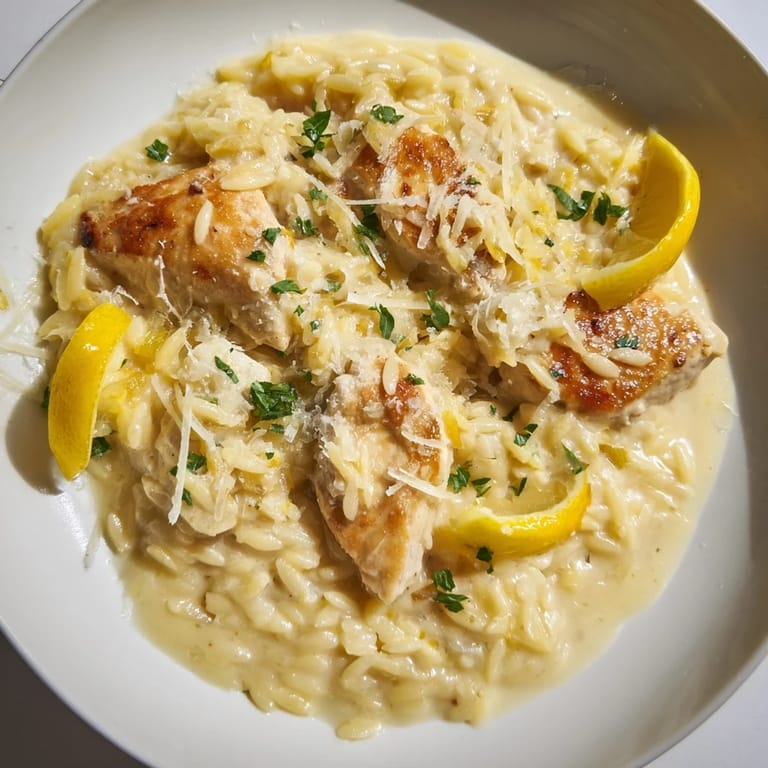
Save This is the kind of dinner that feels special without requiring special effort, and that's exactly why it keeps coming back around. It's become one of those recipes I make without thinking, because it always turns out and always feels like a small celebration at the end of a regular day.
Recipe FAQ
- → What type of chicken is best for this dish?
Boneless, skinless chicken breasts work well for quick, even cooking and tender bites in the dish.
- → Can I use a different pasta instead of orzo?
Small pasta shapes like acini di pepe or tiny shells can be good substitutes, maintaining similar texture.
- → How can I make the sauce creamier?
Using heavy cream adds richness, but substituting half-and-half or adding extra butter can also enhance creaminess.
- → What herbs complement this lemon chicken orzo?
Fresh parsley and thyme bring brightness and earthiness that balance the lemony flavors beautifully.
- → Is it possible to add vegetables to this dish?
Yes, adding baby spinach or peas in the last few minutes of cooking adds color and nutrition without changing the texture.
- → How should leftovers be stored?
Store leftovers in an airtight container in the refrigerator for up to 3 days, and reheat gently to preserve creaminess.