 Save
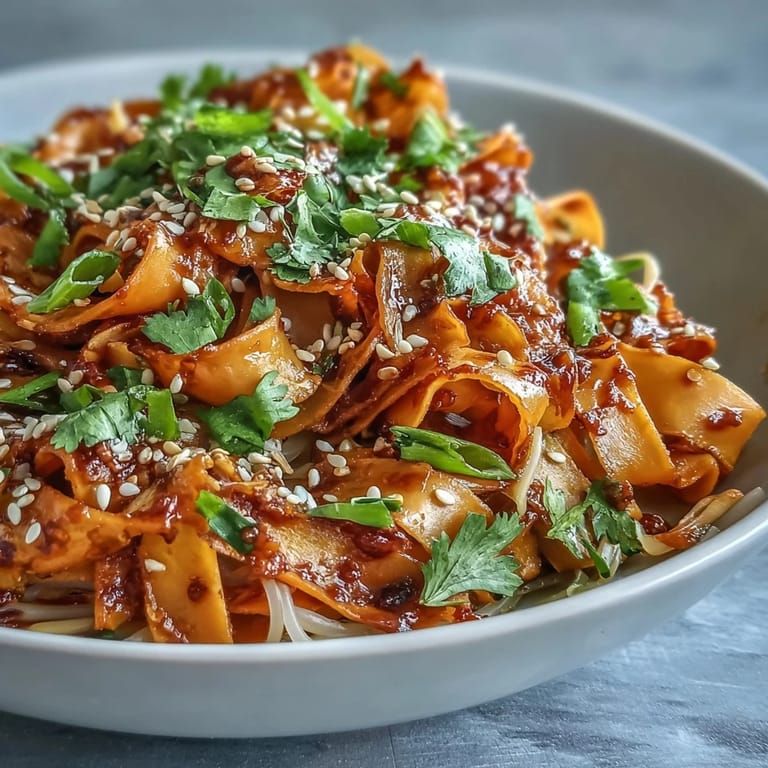
Save Discover a vibrant fusion of textures and flavors with Gochujang Swede Noodles. This dish transforms the humble swede into tender, roasted ribbons that pair perfectly with slippery rice noodles. Tossed in a bold, spicy, and sweet Korean-inspired dressing, it is a satisfying vegan meal that brings a fresh perspective to root vegetables.
Save The secret to this dish lies in the roasting process, which concentrates the natural sweetness of the swede. When combined with the umami-rich gochujang dressing and the aromatics of fresh ginger and garlic, it creates a deeply flavorful experience that is both nourishing and exciting.
Ingredients
Tired of Takeout? 🥡
Get 10 meals you can make faster than delivery arrives. Seriously.
One email. No spam. Unsubscribe anytime.
- Vegetables: 1 large swede (rutabaga), peeled and cut into thin ribbons or julienne; 2 spring onions, thinly sliced; 1 small carrot, julienned (optional); 1 cup bean sprouts (optional); 1 tbsp sesame seeds, toasted; Fresh cilantro or coriander, for garnish.
- Noodles: 250 g dried rice noodles.
- Gochujang Dressing: 3 tbsp gochujang (Korean chili paste); 1 ½ tbsp soy sauce; 2 tbsp maple syrup or honey; 1 tbsp rice vinegar; 1 tbsp toasted sesame oil; 1 clove garlic, finely grated; 1 tsp fresh ginger, grated; ½ tsp chili flakes (optional); 2 tbsp water, to loosen.
- For Roasting: 2 tbsp vegetable oil; ½ tsp salt; ¼ tsp black pepper.
Instructions
- Step 1
- Preheat oven to 220°C (425°F).
- Step 2
- Toss swede ribbons with vegetable oil, salt, and pepper. Spread evenly on a baking sheet. Roast for 25–30 minutes, turning halfway, until golden and tender.
- Step 3
- Meanwhile, cook rice noodles according to package instructions. Drain, rinse with cold water, and set aside.
- Step 4
- In a bowl, whisk together all gochujang dressing ingredients. Adjust water to achieve a pourable consistency.
- Step 5
- In a large mixing bowl, combine roasted swede, noodles, spring onions, carrot, and bean sprouts. Pour over the gochujang dressing and toss until everything is well coated.
- Step 6
- Serve immediately, garnished with toasted sesame seeds and fresh cilantro.
Zusatztipps für die Zubereitung
Using a vegetable peeler or mandoline is the best way to achieve uniform, thin swede ribbons. This ensures they roast evenly and provide a texture similar to the rice noodles themselves.
Varianten und Anpassungen
For a gluten-free version, substitute the soy sauce with tamari and ensure your gochujang brand is certified gluten-free. For extra protein, try adding pan-fried tofu cubes or edamame to the final toss.
Serviervorschläge
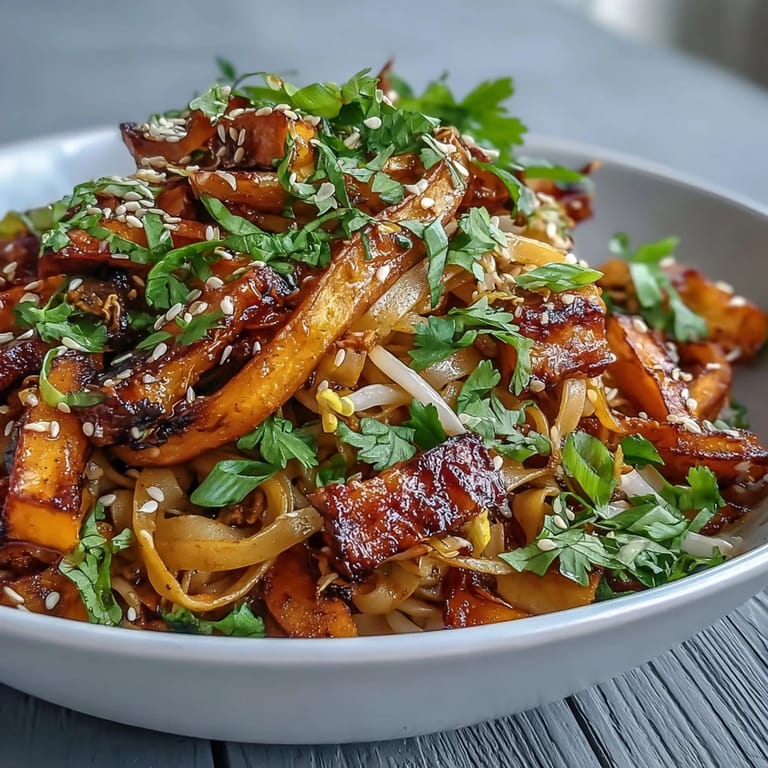
Serve these noodles fresh and hot, topped with extra cilantro and sesame seeds. They pair beautifully with a crisp, aromatic white wine like Riesling or a light lager to balance the heat of the gochujang.
 Save
Save This Gochujang Swede Noodles dish is a testament to how simple ingredients and bold seasoning can create a truly memorable meal. Whether for a quick weeknight dinner or a flavorful weekend lunch, it is sure to satisfy.
Recipe FAQ
- → Can I substitute the swede with another vegetable?
Yes, you can use sweet potato, butternut squash, or even zucchini ribbons. Adjust roasting time accordingly as different vegetables cook at different rates.
- → How spicy is this dish?
The heat level is moderate, primarily from the gochujang paste. You can adjust spiciness by reducing the gochujang or omitting the optional chili flakes for a milder version.
- → Can I make this ahead of time?
You can roast the swede and prepare the dressing in advance, but it's best to toss everything together just before serving to prevent the noodles from absorbing too much sauce and becoming soggy.
- → What can I use instead of gochujang?
While gochujang provides a unique flavor, you can substitute with sriracha mixed with a little miso paste, or use another fermented chili paste. The flavor profile will differ slightly.
- → Is this dish gluten-free?
It can be made gluten-free by using tamari instead of soy sauce and ensuring your gochujang brand is certified gluten-free, as some varieties contain wheat.
- → How do I store leftovers?
Store in an airtight container in the refrigerator for up to 3 days. The noodles may absorb more sauce over time, so you might want to add a splash of water or extra dressing when reheating.