 Save
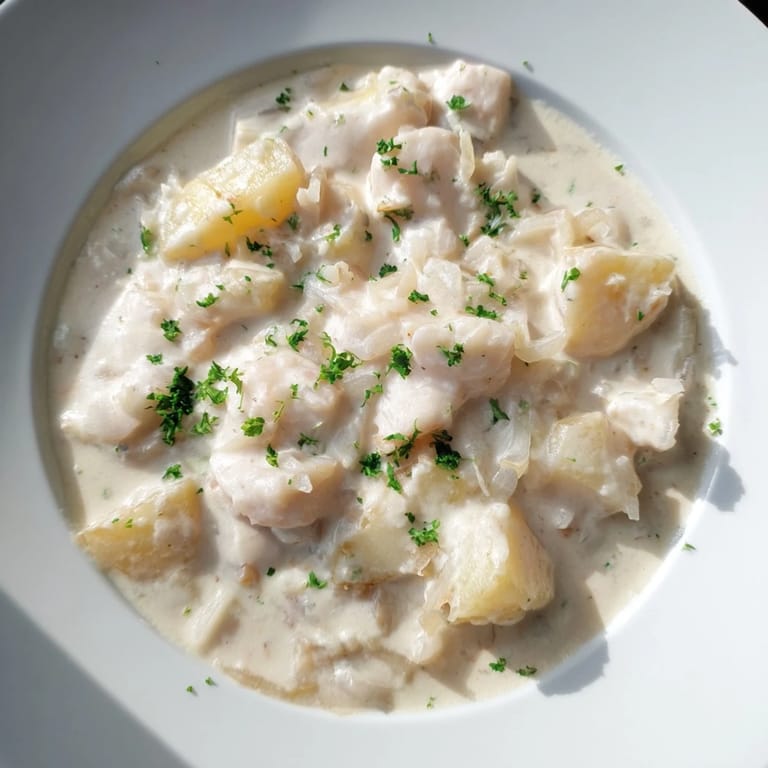
Save My first winter in a small Icelandic fishing village taught me that comfort food isn't about complexity—it's about knowing exactly when to stop fussing. One afternoon, watching steam rise from a neighbor's kitchen window while sleet hammered the windowpane, she wordlessly handed me a bowl of this stew, still glossy with cream, potatoes soft enough to dissolve on your tongue. The fish had been caught that morning. I've been chasing that exact feeling ever since.
Years later, I made this for friends who'd driven through bad weather to visit me. As they took their first spoonful, the conversation just... stopped. Not awkwardly—just that quiet recognition you get when someone's made something that tastes like home, even if they've never tasted it before. Afterward, one of them asked for the recipe because she wanted to make it for her daughter.
Ingredients
- Cod or haddock fillets (500 g / 1 lb), skinless and boneless: Use the best quality you can find—the fish is the star here, not a supporting character, so it deserves respect.
- Butter (60 g / 4 tbsp): This is your foundation for the roux that'll thicken everything into silky creaminess; don't skip it or substitute.
- Whole milk (500 ml / 2 cups) and heavy cream (100 ml / ⅓ cup + 1 tbsp): The cream is what makes this stew feel luxurious, but the milk keeps it from tasting overly heavy or cloying.
- Potatoes (500 g / 1 lb), peeled and diced: Cut them smaller rather than larger so they cook in the same time as everything else and mash into the background texture.
- Onion (1 medium), finely chopped: It dissolves into the broth and builds a sweet, savory base that nobody will identify as onion but will miss if it's forgotten.
- Fresh parsley and chives (2 tbsp each), chopped: Add these at the end so they stay bright and grassy instead of turning dark and bitter.
- Bay leaf, salt, white pepper, and a whisper of nutmeg: The bay leaf seasons the fish while it cooks, then gets discarded; white pepper keeps things looking clean instead of speckled with black.
Tired of Takeout? 🥡
Get 10 meals you can make faster than delivery arrives. Seriously.
One email. No spam. Unsubscribe anytime.
Instructions
- Start the potatoes first:
- Dice them and drop them into salted boiling water—they'll take 12 to 15 minutes, which gives you time to handle the fish without everything finishing at different moments. You're looking for tender but not mushy, still holding its shape.
- Poach the fish gently:
- Cover it with water, add the bay leaf and a pinch of salt, then let it barely simmer for 6 to 8 minutes until the flesh turns opaque and flakes when you touch it with a fork. Save that cooking water—it's full of subtle fish flavor.
- Build your base:
- Melt the butter in your large pot, then cook the onion until it's soft and starting to turn translucent, about 5 minutes. This is the moment everything else builds on, so don't rush it.
- Combine potatoes and mash gently:
- Add the drained potatoes to the pot and use a potato masher to crush them just enough that they release their starch—you want some chunks left over for texture, not a smooth purée.
- Add the fish and its liquid:
- Flake the poached fish into large, generous pieces and fold it into the potatoes along with that reserved cooking water. Be gentle so the fish doesn't shred into tiny bits.
- Create the cream sauce:
- Pour in the milk and cream, then stir everything constantly over low heat until it's heated through and creamy. The key word is low heat—if it boils, the cream can separate and the fish can toughen.
- Season and finish:
- Taste it first, then season with salt, white pepper, and a tiny pinch of nutmeg if you want something you can't quite identify but that makes everything taste richer. Stir in half the parsley and chives, saving the rest for garnish.
 Save
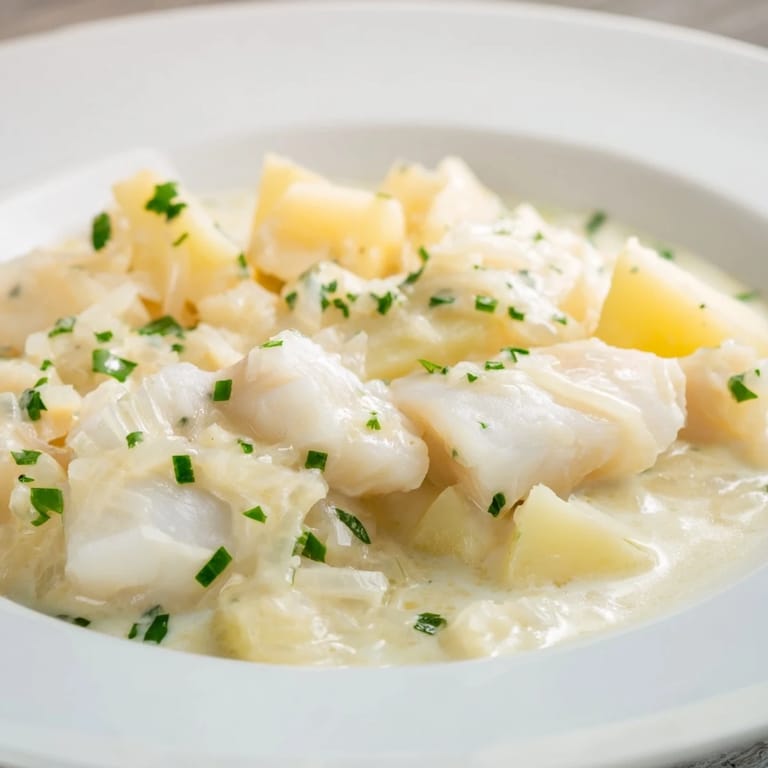
Save I served this stew to someone who'd grown up eating it in Reykjavik, and she teared up a little before even tasting it, just from the smell. That's when I understood that some dishes carry more than just flavor—they carry permission to feel taken care of.
The Ritual of White Fish
I learned that white fish—cod, haddock, halibut—deserves gentleness throughout its cooking life. It's delicate, prone to becoming rubbery if you look at it too hard, but it rewards patience with a tender, almost creamy texture that no other protein quite matches. Poaching instead of baking or frying keeps it moist and subtle, which matters when it's sharing a pot with cream and potatoes. The fish shouldn't announce itself loudly; it should whisper underneath everything else, making the whole dish feel complete without ever demanding attention.
Why Potatoes Matter Here
Mashing the potatoes partway does something almost magical—it thickens the stew with starch instead of flour, making it feel homemade and honest instead of carefully controlled. Some people panic and want to add cornstarch or make a proper roux, but the potatoes are already doing that work for you. The trick is leaving some chunks so the texture stays interesting, not turning into something that tastes baby-food smooth. Every potato you half-mash is also one you're not peeling twice—efficiency and comfort living together happily.
Making It Your Own
Once you understand the skeleton of this stew, you can play with it freely. I've made it lighter by using only milk and skipping cream entirely for weeknight suppers when I'm already full. I've added leeks instead of onion, or a handful of dill at the very end when I was feeling Scandinavian. I've even stirred in a tiny splash of brandy once, and it didn't ruin anything—it just added a whisper of warmth.
- Try smoked fish or a mix of different white fish to layer in more complexity without changing the method.
- Dark Icelandic rye bread on the side isn't optional—it's the edible spoon for catching every drop of sauce.
- This keeps in the fridge for three days, and reheats gently on low heat, though it tastes best fresh and still steaming.
 Save
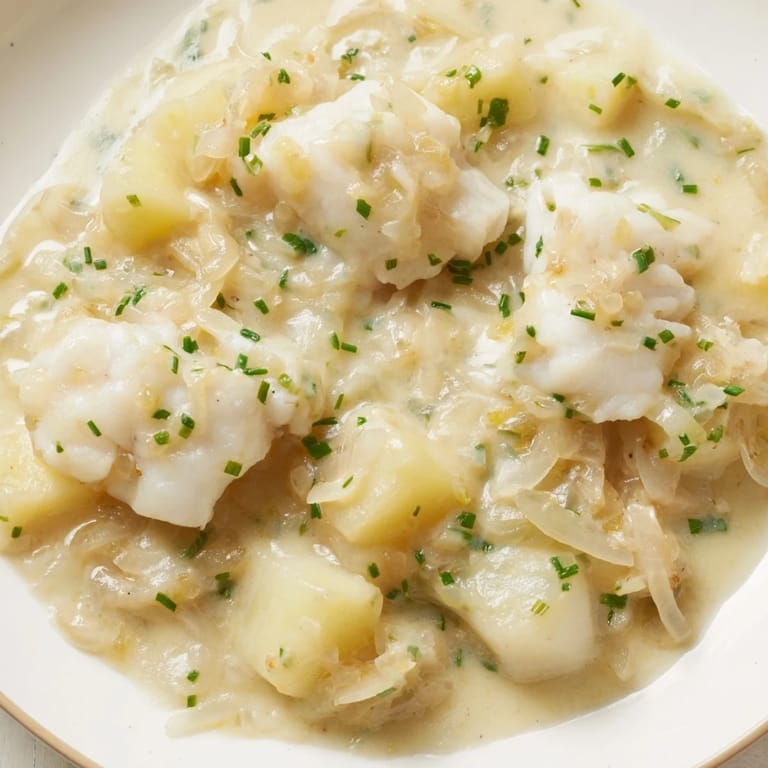
Save This stew exists because someone in Iceland, generations ago, looked at what they had—fish from the sea, potatoes from the ground, cream from the dairy—and understood that sometimes the best dishes are simply the ones that keep you warm and fed and happy to be alive.