 Save
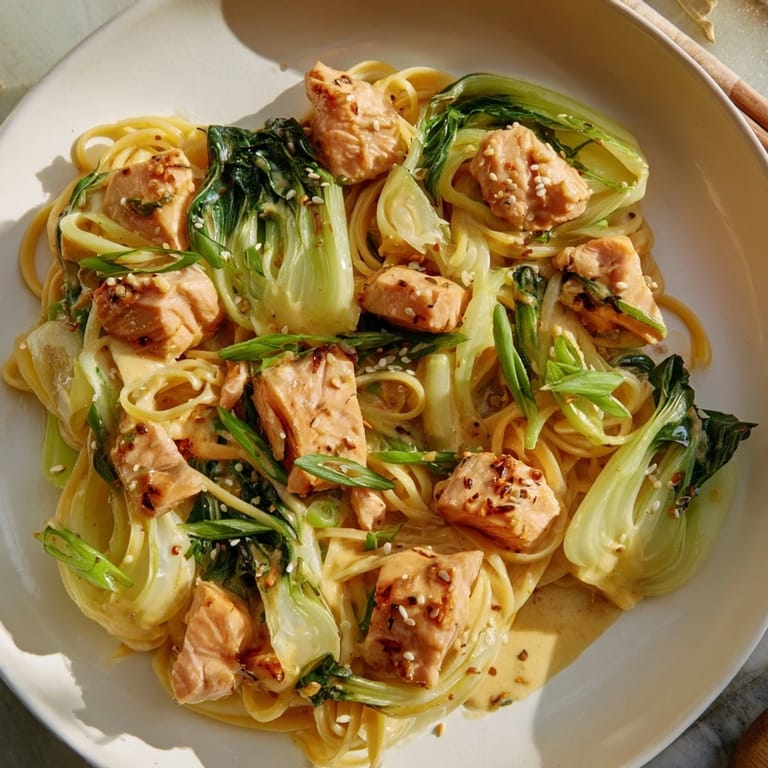
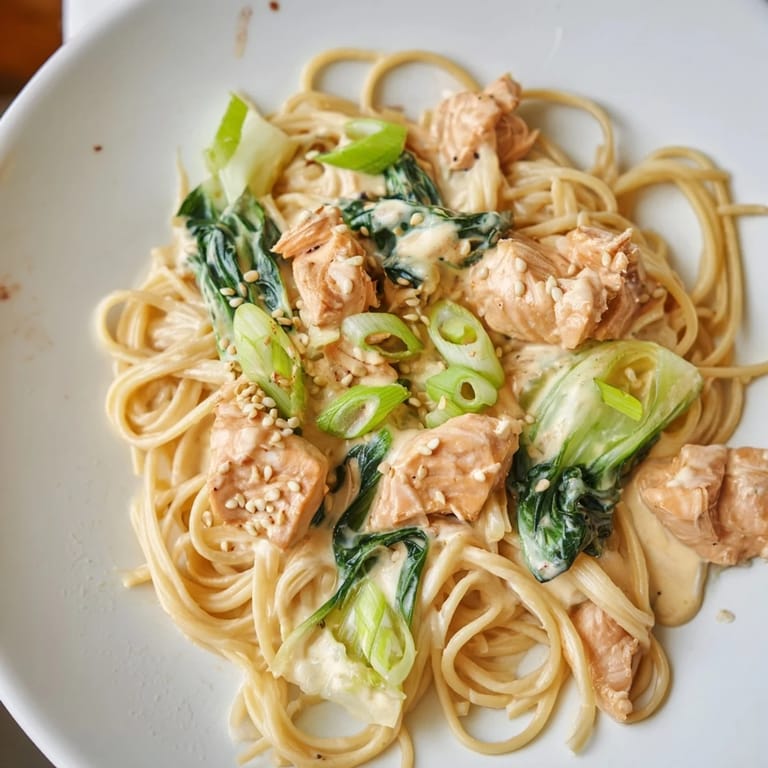
Save There's something about the smell of miso dissolving into butter that stops me mid-conversation every time I make this. I discovered this dish by accident one quiet Tuesday evening, standing in front of my pantry with leftover salmon and a jar of white miso I'd been meaning to use. The combination felt obvious the moment I thought of it, but the first time I tasted that creamy umami sauce coating tender pasta, I knew I'd stumbled onto something special.
I remember bringing this to my neighbor's house last spring when she was recovering from surgery, hesitating because it seemed too elegant for a casual delivery meal. She called me the next day and asked me to teach her how to make it, and watching her realize you could create something this impressive in under forty minutes changed how she approaches weeknight cooking. That's when I knew this recipe was the kind worth sharing.
Ingredients
- Salmon fillets (400g): Cut into bite-sized pieces so they cook evenly and integrate into the pasta instead of dominating it; this size also prevents overcooking the delicate flesh.
- Linguine or spaghetti (300g): The long, slender shape catches the sauce better than shorter pastas and feels more elegant on the plate.
- Baby bok choy (2 heads): Its tender leaves wilt into the sauce while the stems stay slightly crisp, adding textural contrast and a mild sweetness that balances the umami.
- Garlic (2 cloves): Minced fine so it perfumes the oil without overpowering the delicate salmon and miso.
- Scallions (2): Save these for garnish where they'll add a bright, sharp note that cuts through the richness.
- Unsalted butter (60g): The base of your sauce; unsalted lets you control the overall salt level with the miso and soy.
- White miso paste (2 tbsp): Sweeter and more delicate than red miso, it dissolves into the butter without adding harsh fermented notes.
- Soy sauce (2 tbsp): The backbone of umami; use a quality brand because this sauce is simple enough that each ingredient matters.
- Mirin (2 tbsp): Brings subtle sweetness that rounds out the salty-savory elements; don't skip it thinking soy sauce is enough.
- Heavy cream (100ml): Creates that silky mouthfeel and softens the intensity of the miso so the sauce feels luxurious rather than aggressive.
- Sesame oil (1 tsp): A small amount toasted into the initial butter infuses the whole dish with nutty depth; more would overpower everything.
- Black pepper (½ tsp): Freshly ground adds gentle heat that wakes up the other flavors.
- Toasted sesame seeds and lemon wedges (optional): These aren't really optional if you want the full effect—the seeds add crunch and the lemon provides brightness that prevents the dish from feeling one-note.
Tired of Takeout? 🥡
Get 10 meals you can make faster than delivery arrives. Seriously.
One email. No spam. Unsubscribe anytime.
Instructions
- Get your pasta started:
- Bring a large pot of generously salted water to a rolling boil and add your pasta, stirring occasionally so it doesn't stick. You're looking for al dente, which means it still has a tiny bit of resistance when you bite into it; that matters more than you'd think because the pasta finishes cooking slightly when you toss it with the hot sauce.
- Toast the aromatics:
- While the pasta cooks, melt a tablespoon of butter with the sesame oil in a large skillet over medium heat. Add your minced garlic and let it sizzle until it's fragrant, maybe a minute—that's the moment you'll smell it shift from raw to toasty, and that's your cue to move forward.
- Cook the salmon gently:
- Add your bite-sized salmon pieces to the warm oil and let them sit undisturbed for about two minutes before turning them over. They'll develop a subtle golden exterior while staying tender inside; rushing this or moving them around too much breaks them into smaller pieces.
- Build the miso butter sauce:
- Once the salmon is just cooked through, remove it and set aside, then add the remaining butter to the skillet. While it melts, whisk together the miso, soy sauce, and mirin in a small bowl first so you're not scrambling to dissolve lumps of miso paste into the pan; this step takes thirty seconds and saves you grief.
- Marry the cream and sauce:
- Pour in the cream and crack in the black pepper, stirring until everything is smooth and glossy. The sauce should smell deeply savory and slightly sweet at this point, and that's how you know your ratios are right.
- Wilt the bok choy:
- Add the chopped bok choy directly to the sauce and let it cook for two to three minutes until the leaves are tender but the stems still have a whisper of resistance. If you're worried you've overcooked it, you haven't yet.
- Bring it all together:
- Return the salmon to the skillet along with your drained pasta, reserving at least half a cup of that starchy pasta water. Toss everything together gently, adding pasta water a splash at a time until the sauce coats the noodles without pooling at the bottom of the pan.
- Serve with intent:
- Plate it immediately while everything is hot and the sauce is still clinging to every strand of pasta. Finish with scallions, sesame seeds, and a squeeze of lemon.
 Save
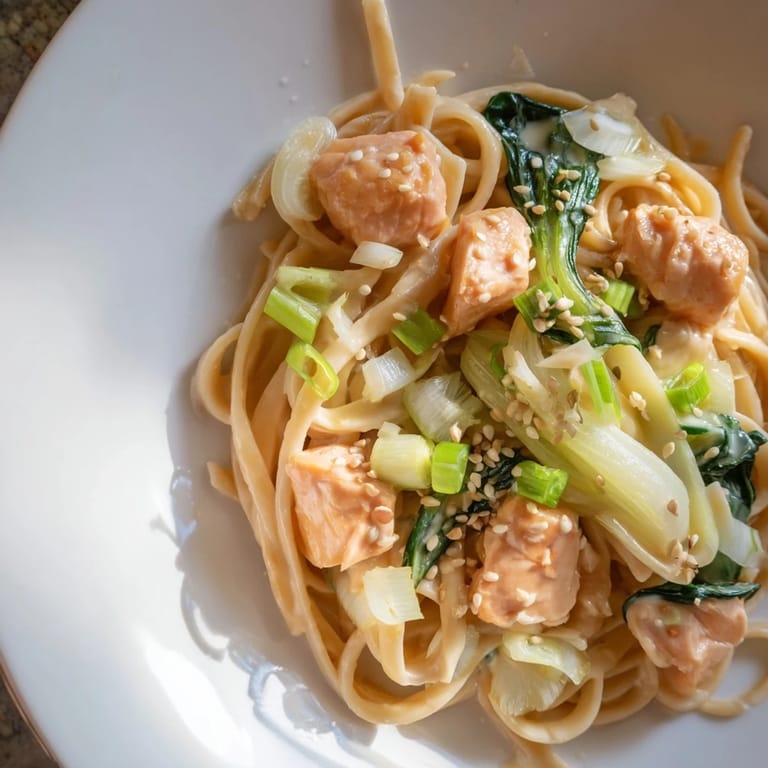
Save I made this for my partner on our anniversary last year, and instead of fussing over a fancy restaurant reservation, we sat at the kitchen counter together, steam rising from the bowls, neither of us talking much because the food said everything it needed to. That's the moment I realized this dish works because it feels both special and intimate without demanding any pretense.
Why This Flavor Combination Works
Miso paste and salmon are practically made for each other—the umami in both amplifies when they meet, creating something deeper than either could achieve alone. The miso's subtle sweetness tames the assertiveness of soy sauce, while the cream softens everything into a cohesive sauce that doesn't feel heavy or one-dimensional. The bok choy's mild earthiness and the pasta's neutral starch let the miso butter take center stage without competition, and that's the architecture of the entire dish.
Building This into Your Regular Rotation
The first time someone makes this, it feels like a special occasion dinner. By the third or fourth time, you realize it's faster than ordering takeout and more satisfying than most restaurant versions. Keep white miso in your pantry and salmon in your freezer, and you've got the foundation for a meal that never feels boring even when you're eating it twice a month. I've found that people who cook only occasionally often skip this dish thinking it's too restaurant-y, but it's actually built for home cooks who want the impact without the anxiety.
Variations and Substitutions
While this recipe is balanced as written, it's also forgiving of small changes based on what you have or what you're craving. Spinach works if bok choy isn't available, though it contributes less texture and more moisture, so reduce the cream slightly. I've used red miso when white ran out, but it's earthier and requires a light hand or it dominates the sauce. If you want heat, a pinch of chili flakes blooms beautifully in the oil before you add the garlic, and the lemon wedges become even more essential as a cooling contrast.
- Gluten-free pasta and tamari swap in seamlessly without changing the cooking method or timing.
- A splash of white wine instead of some of the cream adds brightness, though you lose a bit of the luxurious mouthfeel.
- Shrimp cooks in the same timeframe as salmon if you need a different protein, though the sauce won't have quite the same richness.
 Save
Save This dish sits at that perfect intersection where restaurant technique meets weeknight practicality, where umami depth doesn't require hours of prep. Make it once and it becomes the dinner you return to when you want to impress someone or when you want to cook something for yourself that actually feels like celebration.
Recipe FAQ
- → What type of pasta works best for this dish?
Linguine or spaghetti are ideal as they hold the sauce well while offering a pleasant texture.
- → Can I substitute baby bok choy with another vegetable?
Yes, spinach or other leafy greens can be used if bok choy is unavailable or for a different texture.
- → How do you prevent the salmon from overcooking?
Cook salmon gently on medium heat for 2–3 minutes per side until just cooked through to keep it tender.
- → What is the role of miso paste in the sauce?
Miso paste adds a deep umami flavor and a creamy texture, enriching the overall taste of the sauce.
- → Can the pasta water be used in the sauce?
Yes, reserved pasta water helps loosen the sauce, making it silky and better at coating the pasta.
- → Are there suggestions to add some heat to the dish?
A pinch of chili flakes can be added during the garlic sauté to introduce subtle spiciness.