 Save
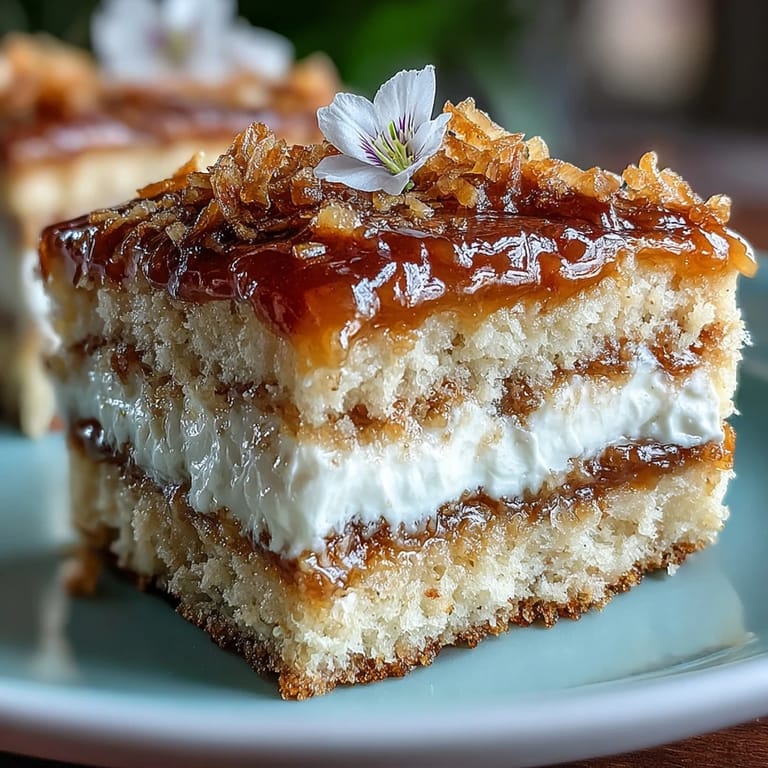
Save Last spring, I found myself standing in a farmer's market with a handful of edible flowers and absolutely no plan for what to do with them. A baker nearby mentioned she'd just made a naked cake with lemon curd, and something clicked—I could practically taste the bright citrus against the delicate crumb. That afternoon, I went home and built this cake layer by layer, watching the pale sponge transform into something that looked like it belonged in a garden. My kitchen smelled like sunshine and butter, and by the time I set down the final violet, I knew I'd found my favorite kind of celebration cake.
I'll never forget assembling this cake for my sister's engagement tea last June. She watched from the kitchen doorway as I spread the lemon curd with careful strokes, and when I placed that first edible pansy on top, she actually gasped. Turns out a simple, honest cake made with intention hits differently than something overdone—there's elegance in knowing when to stop.
Ingredients
- All-purpose flour: Use a light touch when measuring—I spoon and level rather than scoop, which keeps the cake tender instead of dense.
- Baking powder and baking soda: Together they create a crumb that's fine and delicate without being fragile.
- Unsalted butter and granulated sugar: Creaming these together for exactly three minutes gets you that perfect fluffy foundation that makes the whole cake light.
- Eggs at room temperature: Cold eggs won't incorporate smoothly, and you'll end up with a denser cake—pull them out 30 minutes before baking.
- Buttermilk: The acidity keeps everything tender and adds a subtle tang that plays beautifully against the lemon curd.
- Lemon zest in the cake: Fresh zest gives you tiny bursts of flavor throughout, not just from the curd layer.
- Freshly squeezed lemon juice: Bottled juice turns sharp and metallic when cooked, but fresh juice stays bright and alive in the curd.
- Lemon zest for the curd: Don't skip this—it's the difference between good curd and curd that tastes like actual lemons.
- Egg yolks: They transform into silky richness as the curd cooks, creating that jewel-like texture.
- Heavy cream: Cold cream whips into clouds, and that contrast with the tart curd is everything.
- Edible flowers: Look for nasturtiums, pansies, or violets at specialty markets—they're not just beautiful, they taste slightly peppery or sweet depending on the variety.
Tired of Takeout? 🥡
Get 10 meals you can make faster than delivery arrives. Seriously.
One email. No spam. Unsubscribe anytime.
Instructions
- Set your stage:
- Preheat to 350°F and prep three cake pans with parchment—I grease the bottoms first so the paper sticks without sliding around. Having everything ready means you can focus on the batter without rushing.
- Blend the dry team:
- Whisk flour, baking powder, baking soda, and salt in one bowl so the leavening spreads evenly. This prevents pockets of dense cake hiding under the layers.
- Cream butter and sugar until clouds form:
- Beat for three minutes exactly—you're looking for pale, fluffy mixture that barely holds a shape. This is where air enters the cake.
- Fold in eggs one at a time:
- Add each egg slowly and beat well, so they emulsify properly with the butter. Rush this step and you'll see a broken, curdled batter that bakes unevenly.
- Add vanilla and lemon zest:
- Mix these in after the eggs are fully incorporated so you get those flavor hits throughout.
- Alternate dry and wet ingredients:
- Start with dry, then buttermilk, then dry again—this alternating pattern keeps the batter smooth without overdeveloping the gluten. Mix just until no flour streaks remain.
- Divide and bake:
- Distribute batter evenly among pans and smooth the tops with a spatula. Bake 25 to 30 minutes until a toothpick comes out clean, though the centers will still feel slightly soft to the touch.
- Cool with patience:
- Let cakes rest in pans for 10 minutes so they set just enough to turn out without crumbling. Cool completely on racks before moving forward.
- Make lemon curd over gentle heat:
- Set a heatproof bowl over simmering water and whisk lemon juice, zest, sugar, and yolks constantly for 8 to 10 minutes. You'll feel the mixture thicken under your whisk—that's your signal to keep going, not stop.
- Finish the curd with butter:
- Remove from heat and whisk in cubed butter until the curd looks glossy and silky. Let it cool completely so it firms up.
- Whip the cream to stiff peaks:
- Beat cold cream with powdered sugar and vanilla until it holds its shape proudly. Chill until assembly so it doesn't deflate.
- Assemble with intention:
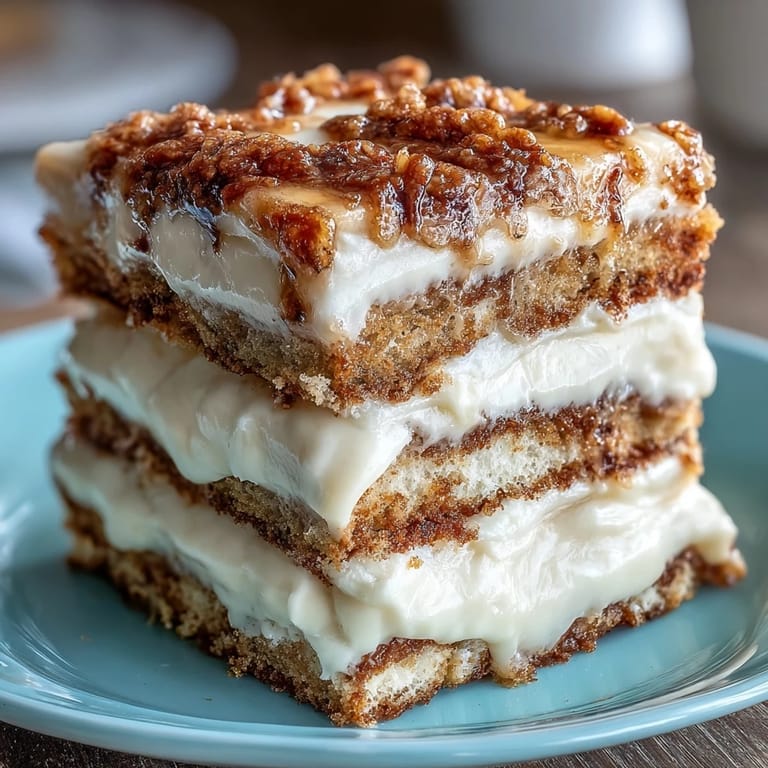
- Place the first cake layer on your platter, spread with half the lemon curd, then a layer of whipped cream. Repeat with the second layer, then crown with the third cake and a thick, generous layer of whipped cream on top.
- Decorate just before serving:
- Arrange edible flowers and lemon zest curls on top so they stay fresh and vibrant. They'll wilt slightly if left sitting too long.
 Save
Save There's a moment when you set down those fresh flowers and step back to look at what you've made that feels almost sacred. This cake isn't about impressing anyone with technique—it's about saying, through layers of citrus and cream, that someone matters enough to bake for. Every time I make it, I'm reminded that the most elegant desserts are often the simplest ones.
Why Lemon Curd Changes Everything
Store-bought lemon curd tastes like a memory of lemon, but homemade curd is the real thing—tart, bright, and alive with that punch of citrus that wakes up your mouth. When you cook it yourself over a gentle flame, you control exactly how thick it gets and how much lemon intensity comes through. I've served this cake to people who swear they don't like lemon desserts, and they come back for seconds, confused by their own enjoyment.
The Naked Cake Philosophy
A naked cake is honest—you see every layer, every spread, every imperfection, and somehow that's what makes it beautiful. There's no thick frosting hiding uneven layers or cracks; instead, you're saying yes to the natural texture of the cake. The first time I tried this approach, I was terrified, but then I realized people don't judge what's real—they connect with it.
Making This Cake Your Own
Once you have the foundation, this cake becomes a canvas for your own spring moments. I've added lavender to the whipped cream, swapped in blood orange for regular lemon, and even brushed the cake layers with a light elderflower syrup before assembly. The structure stays solid; the flavor becomes yours.
- Substitute mascarpone for half the whipped cream if you want richness that rivals heavy cream alone.
- If edible flowers aren't available, candied lemon peels or thin lemon slices look stunning and taste even better.
- Make the lemon curd a day ahead so flavors deepen and assembly day feels less frantic.
 Save
Save This cake reminds me every time I make it that simple ingredients treated with care become something people remember. Bake it when you want to celebrate the arrival of spring, or when someone in your life needs to know they're worth the effort of three cake layers and fresh lemon curd.
Recipe FAQ
- → What are edible flowers used for in this cake?
Edible flowers add a natural, decorative touch that enhances the cake's appearance and freshness without altering its flavor.
- → How is the lemon curd prepared?
Lemon juice, zest, sugar, and egg yolks are gently whisked over simmering water until thickened, then butter is stirred in for smoothness.
- → Can the whipped cream be substituted?
Yes, substituting half with mascarpone cheese creates a richer, more luxurious texture.
- → How should the cake layers be handled before assembly?
Cool the layers completely and chill them along with the lemon curd to ensure sturdy assembly and clean layering.
- → What is the best way to bake the sponge layers evenly?
Use three 8-inch pans, line them, and bake at 350°F until a toothpick inserted comes out clean, ensuring even cooking.