 Save
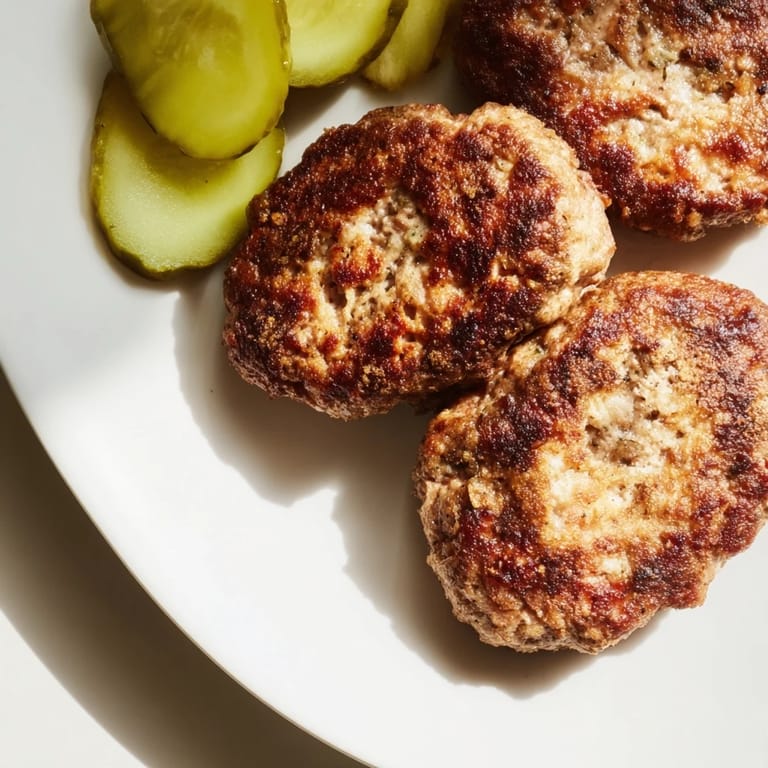
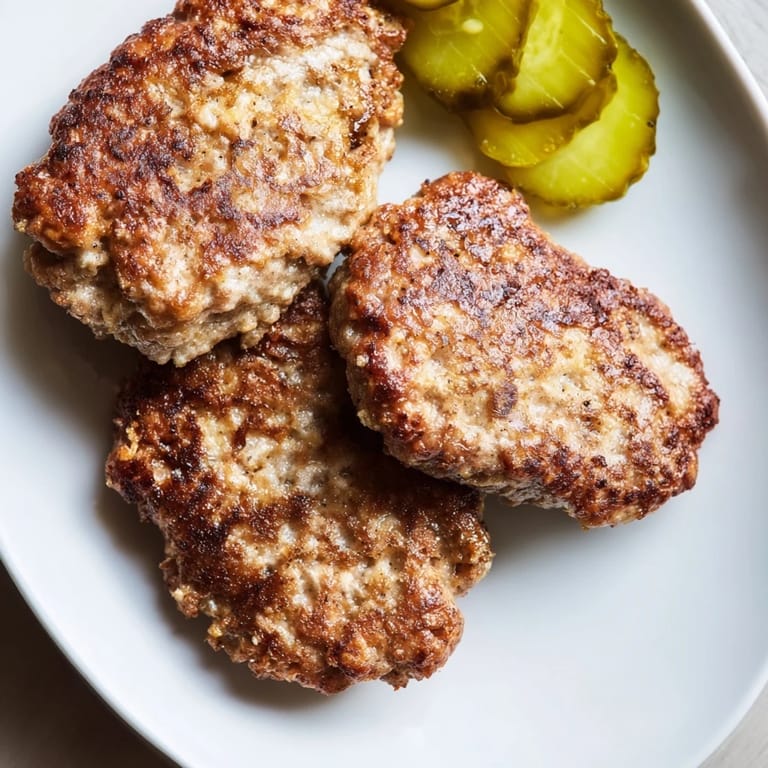
Save My first encounter with frikadeller happened on a gray Copenhagen afternoon, watching my colleague's mother pan-fry them in her kitchen while we talked about everything except food. The smell of butter and allspice filled the small space, and when she flipped one to show me the mahogany-golden crust, I understood why these simple meatballs had survived centuries of Danish dinner tables. She served them warm with pickles that tasted like summer, and I realized comfort food doesn't announce itself—it just quietly wins you over.
I made these for a small dinner party once, and someone asked me halfway through eating if they were restaurant-quality. I almost laughed because I'd made them in a rental kitchen with a pan I'd borrowed, but that's the thing about frikadeller—they don't care about your circumstances, only your attention. That night cemented them as my go-to when I want to cook something that tastes impressive without feeling stressful.
Ingredients
- Ground pork (500 g): The backbone of the dish—use freshly ground if possible, as it binds better and stays juicier through frying.
- Small onion, finely grated: Grating instead of mincing releases more moisture and flavor into the meat, creating a silkier texture.
- Egg: Acts as the binder that holds everything together without making the meatballs dense.
- Whole milk (100 ml): Soak the breadcrumbs in this first, then add both together—this step transforms the texture entirely.
- Breadcrumbs (60 g): White breadcrumbs work better than panko here because they dissolve into the meat rather than creating air pockets.
- Salt (1 tsp) and black pepper (½ tsp): Taste as you mix; the milk will dilute salt, so don't be shy.
- Ground allspice (½ tsp, optional): This is what makes frikadeller Danish—it's subtle but unmistakable, a warm whisper rather than a shout.
- Butter (2 tbsp) and neutral oil (1 tbsp): Butter alone burns too easily; oil raises the smoke point, giving you golden results without bitterness.
Tired of Takeout? 🥡
Get 10 meals you can make faster than delivery arrives. Seriously.
One email. No spam. Unsubscribe anytime.
Instructions
- Build the base:
- Combine pork, grated onion, egg, milk, breadcrumbs, salt, pepper, and allspice in a large bowl, mixing until everything is unified and slightly sticky to the touch. This should feel like a cohesive mixture, not crumbly.
- Let it rest:
- Set the bowl aside for 10 minutes while the breadcrumbs absorb all that liquid, which is crucial for keeping the meatballs tender during frying.
- Shape with wet hands:
- Wet your hands before shaping each meatball into an oval or round about golf ball-sized, working quickly so the mixture doesn't warm up. You should get 12–14 pieces.
- Get your pan ready:
- Heat butter and oil in a large skillet over medium heat until the butter stops foaming and the pan feels hot when you hold your hand 15 cm above it.
- Fry in batches:
- Working in two batches if needed, place meatballs in the pan and flatten them slightly with a spatula, cooking 4–5 minutes per side until deep golden brown and cooked through inside. Don't crowd the pan or they'll steam instead of fry.
- Rest and drain:
- Transfer finished frikadeller to a paper-towel-lined plate to absorb excess oil while staying warm.
- Serve immediately:
- Plate while hot with tangy pickles, rye bread, or boiled potatoes, whatever you prefer.
 Save
Save There was a quiet moment during that dinner party when everyone had just taken their first bite, and the kitchen went still in that way it does when food is actually good. No one was checking their phones or making small talk—they were just tasting, and I realized frikadeller are one of those dishes that make people present.
Why This Simple Mixture Works
The genius of frikadeller lies in how milk and breadcrumbs act together. Most meatball recipes ask breadcrumbs to soak separately, but here they're mixed into the milk before meeting the meat, creating a paste that distributes evenly and keeps everything moist from the inside out. It's the kind of small technique that feels obvious once you understand it, but it's exactly what separates homemade frikadeller from anything else.
The Allspice Question
Allspice feels strange the first time you add it to meat—it's warm and slightly sweet, nothing like what we're conditioned to expect in savory cooking. But it's deeply Danish, and once you taste it in properly cooked frikadeller, you'll understand why it became tradition rather than accident. If you're uncertain, start with a quarter teaspoon and taste the raw mixture before committing to the full amount.
Serving and Variations
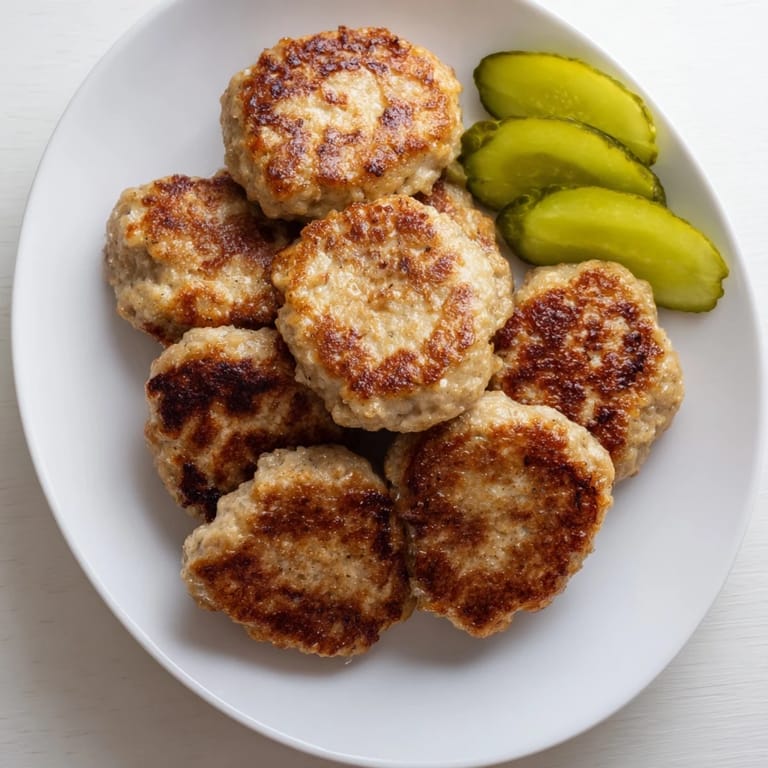
Danish pickles—the kind that taste vinegary and slightly sweet—are the perfect foil to the rich meatballs, cutting through the butter and oil with their sharp bite. Rye bread works wonderfully if you want to make it more substantial, or boiled potatoes if you prefer something warm alongside. Creamy potato salad is also traditional, offering a cool contrast that somehow makes everything taste better.
- Make extra and refrigerate them for next-day sandwiches on rye with pickles and mustard.
- Leftover frikadeller can be gently reheated in a low oven rather than a microwave, which keeps them from drying out.
- Try serving them cold as part of a smørrebrød board if you're entertaining casually.
 Save
Save Frikadeller remind me that the best dishes don't need to be complicated, just made with care and attention to small details. Make them for people you want to cook for again.
Recipe FAQ
- → What type of meat is best for these meatballs?
Ground pork is traditional and ideal for juiciness, but mixing in veal can create a lighter texture without sacrificing flavor.
- → How should the meatballs be shaped?
Shape them into oval or round pieces roughly the size of a golf ball to ensure even cooking and a classic appearance.
- → What is the purpose of resting the mixture before frying?
Resting allows breadcrumbs to absorb moisture, resulting in a cohesive and tender texture during cooking.
- → Which fats are used for frying and why?
A combination of unsalted butter and neutral oil is used to achieve a flavorful crust while preventing the butter from burning.
- → What traditional sides complement the dish?
Tangy Danish pickles, rye bread, or boiled potatoes are classic accompaniments that enhance the overall meal.