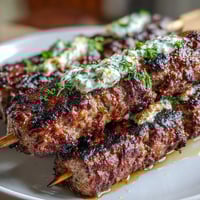
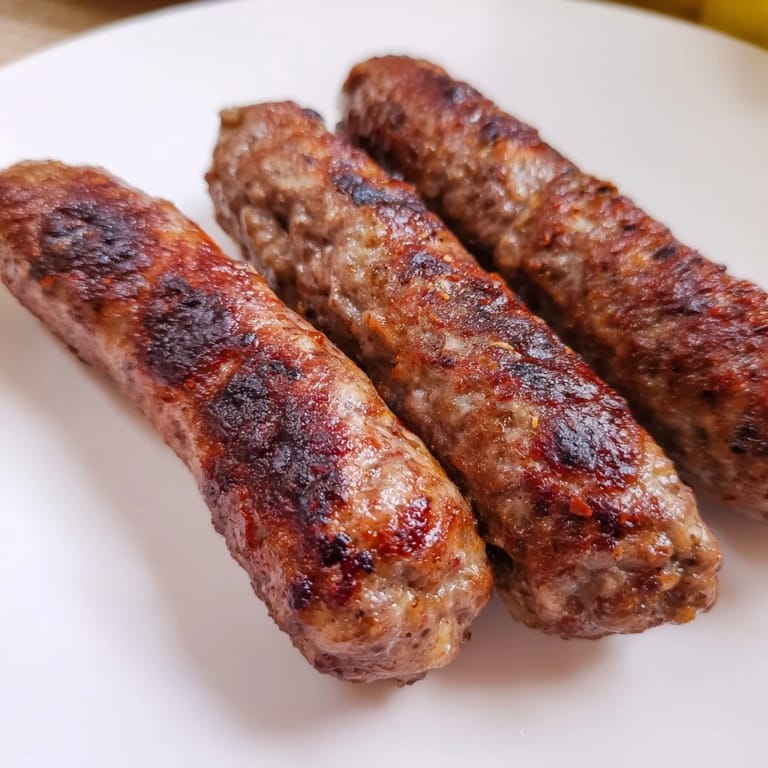
 Save
Save The first time I stood at a Romanian street vendor's grill on a warm evening in Bucharest, the smell hit me before anything else—garlic, paprika, and meat sizzling over charcoal in a way that felt almost sacred. The vendor handed me a mici wrapped in paper, still crackling from the heat, and I bit into it without thinking. That crispy exterior gave way to a juicy, perfectly seasoned interior that made everything else I'd eaten taste like a practice run. I came home determined to recreate that moment in my own kitchen, and after a few batches and some happy accidents, I finally understood the magic: it's all about the spice balance, the cold stock, and not rushing the grill.
I made these for a group of friends who'd never tried authentic Romanian food, and I remember the silence when they took their first bites—the good kind of silence, where everyone's too busy eating to talk. One friend asked if I'd bought them from somewhere because she couldn't believe they came from my kitchen. That moment made the two hours of prep feel completely worth it, and now whenever someone mentions cravings for something smoky and satisfying, these are what I reach for.
Ingredients
- Ground beef (500g): The backbone of the recipe—an 80/20 ratio gives you enough fat to stay juicy without becoming greasy, and it's forgiving if you're new to making sausages.
- Ground pork (300g): Pork adds richness and helps bind everything together, creating that tender crumb that makes each bite feel special.
- Ground lamb (200g, optional): Traditional and worth hunting down if you can; it adds a subtle earthiness that deepens the whole flavor profile, but the mici are still incredible without it.
- Garlic (5 cloves, minced): Raw garlic scattered through the mixture gives you bright bursts of flavor rather than one-note garlic taste.
- Smoked paprika (1½ tsp): The soul of the dish—use good paprika, not the dusty stuff that's been in your cabinet for three years.
- Black pepper, coriander, and cumin (1½ tsp each): These three work in tandem to create warmth and depth without any single spice shouting louder than the others.
- Thyme (1 tsp dried): A small amount keeps things earthy and prevents the spices from feeling flat.
- Baking soda (1 tsp): This tiny amount helps the meat stay tender and creates those lovely crispy bits on the outside—don't skip it.
- Salt (2 tsp): Season generously; the cold stock will dilute the flavors slightly, so you need enough salt to carry through.
- Cold beef stock or sparkling water (200ml): The cold liquid is key—it helps the mixture bind without cooking the meat, and sparkling water adds extra lift if you're looking for something lighter.
Tired of Takeout? 🥡
Get 10 meals you can make faster than delivery arrives. Seriously.
One email. No spam. Unsubscribe anytime.
Instructions
- Combine your meats and get them cold:
- Throw all three ground meats into a large bowl and mix until they're evenly distributed and there are no streaks of one color showing through. Cold meat works better, so if your kitchen is warm, keep everything in the fridge until you're ready to start.
- Build the spice foundation:
- Scatter all your spices and salt over the meat and mix thoroughly—use your hands, get in there, and make sure every piece has been touched by the spices. This is where patience matters because uneven distribution means some bites will be bland and others will be overpowering.
- Knead in the liquid slowly:
- Pour the cold stock in gradually while kneading the mixture like you're making bread, working for about 5 minutes until it becomes sticky and holds together. You'll feel the texture shift from crumbly to cohesive, and that's exactly what you want.
- Let time do its work:
- Cover the bowl and refrigerate for at least 2 hours, though overnight is truly better—the cold allows flavors to meld and the meat to relax into the spices. This is a good moment to wipe down your kitchen or prep a side dish.
- Shape with confidence:
- With lightly oiled hands, pinch off a golf ball-sized piece and roll it between your palms into a cylinder about 8–10 cm long and 2 cm thick. They don't need to be perfect; slightly rustic-looking mici actually cook more evenly than ones that are too uniform.
- Get your grill ready and hot:
- Preheat your grill or grill pan to medium-high heat and lightly oil the grates so the mici won't stick. You should hear a sizzle when you place them on the heat—that's the signal everything's ready.
- Grill until crispy and cooked through:
- Place the mici on the hot grill and leave them alone for 3–4 minutes until the bottom is deeply browned and starting to char. Turn them carefully and repeat on each of the remaining sides, then check that they're cooked through by cutting into the thickest one—no pink inside.
- Rest briefly and serve:
- Let them cool for 1–2 minutes so you don't burn your mouth, then serve hot with mustard and fresh bread, which is the only way this is meant to be eaten.
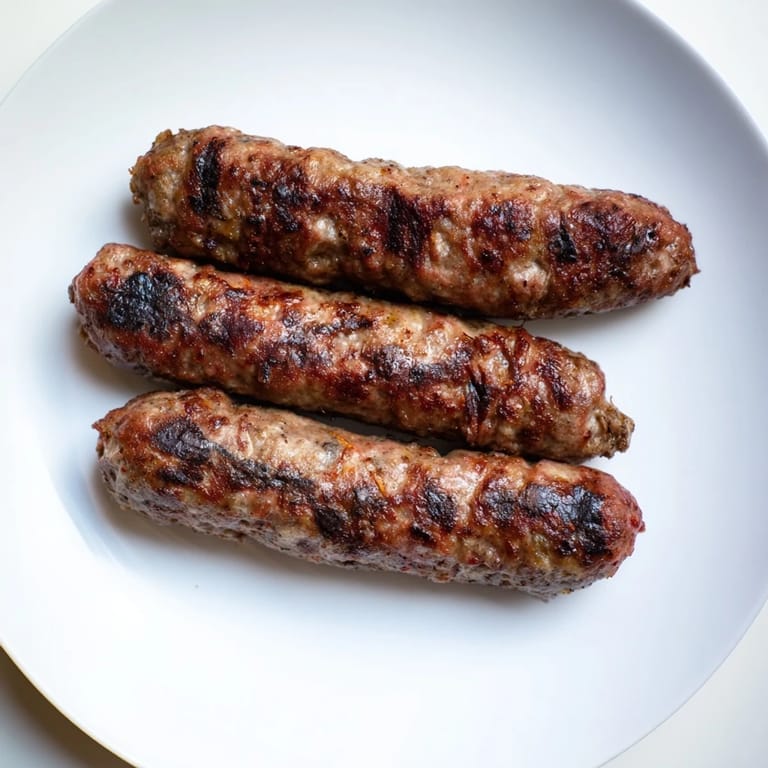 Save
Save There's something almost meditative about watching these cook on the grill—the sound of them sizzling, the smell building up around you, and knowing that in just a few minutes you're going to bite into something that tastes like a memory of somewhere else. Every time I make them, I'm transported back to that vendor in Bucharest, and I realize that's the real magic of this recipe: it's not just feeding yourself, it's traveling through taste.
Why This Dish Became a Favorite
These mici went from a one-time curiosity to my go-to for when I want to impress people without spending all day cooking. I started experimenting with the spice ratios after my first batch turned out a bit flat, and once I figured out that the paprika and coriander needed to be prominent, everything clicked into place. Now my friends text me asking when I'm making them next, which is its own kind of compliment.
The Grilling Part Matters More Than You'd Think
A grill is ideal because the direct heat creates that crucial crispy exterior while keeping the inside tender, but I've also had surprising success with a grill pan on the stovetop when the weather isn't cooperating. The key is medium-high heat and not moving them around constantly—let them sit and develop a proper crust, which takes longer than you'd instinctively think but is absolutely worth the wait.
Making Them Ahead and What Pairs Well
The uncooked mici keep beautifully in the fridge for up to 2 days before grilling, so you can do all the mixing and shaping on a lazy Sunday and grill them on a busy Wednesday night. They pair perfectly with sharp mustard and crusty bread, though I've also served them with a yogurt-dill sauce that added a cool, fresh counterpoint to the warm spices. A cold lager or crisp white wine makes the whole thing feel like a proper meal, not just dinner.
- If you're doubling the recipe, the mixture keeps for 3 days covered in the fridge, giving you leftover cooked mici for snacking straight from the cold box.
- These freeze beautifully after grilling—wrap them individually and reheat them gently on a grill or in a low oven without drying them out.
- Fresh parsley or cilantro scattered on top just before serving adds a bright finish if you're feeling fancy.
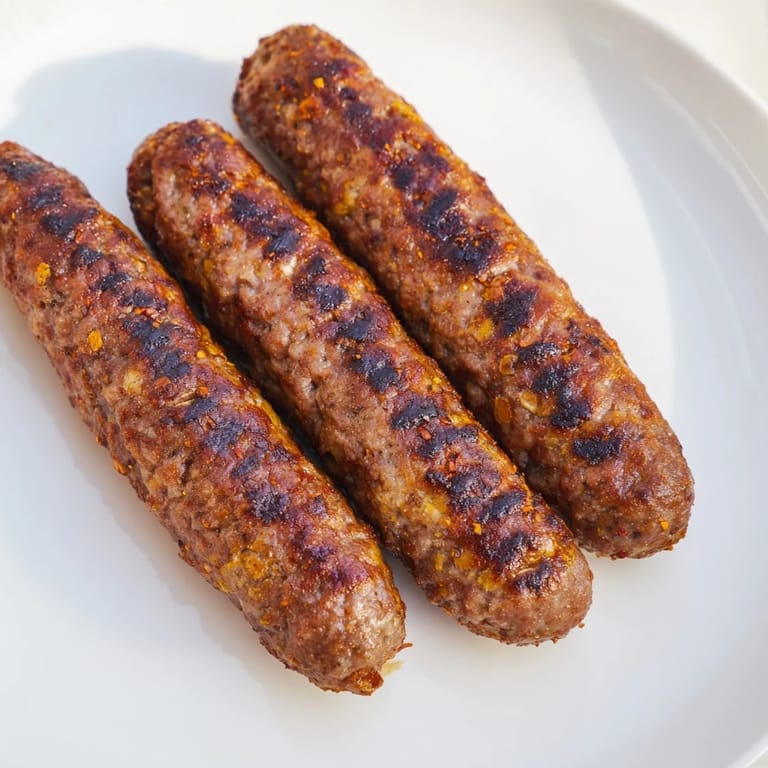 Save
Save These mici have become my answer to the question of what to cook when I want something that feels special but doesn't require fussy techniques or rare ingredients. They're a reminder that some of the best food comes from knowing just a few things very well.
Recipe FAQ
- → What meats are traditionally used for mici?
A combination of ground beef, pork, and often lamb forms the base, providing a rich and balanced flavor.
- → How do the spices influence the flavor?
Spices like smoked paprika, coriander, cumin, garlic, and thyme create a smoky, aromatic, and slightly earthy profile that defines mici.
- → Why is baking soda added to the mixture?
Baking soda helps tenderize the meat and improve texture, creating a softer, juicier roll when grilled.
- → Can sparkling water be used instead of beef stock?
Yes, substituting sparkling water adds extra juiciness and a lighter texture without compromising flavor.
- → What’s the best method to cook mici?
Grilling over medium-high heat ensures a crisp exterior while maintaining a tender inside, although broiling or stovetop grilling are alternatives.
- → What are common accompaniments for these spiced rolls?
Traditional pairings include mustard and fresh bread, with beverage options like cold lager or Romanian white wine.