 Save
Save My kitchen smelled like earth and sweetness the afternoon my neighbor handed me a bunch of beets from her garden, still wearing bits of soil. I'd never made beet hummus before, but something about their deep crimson color made me curious enough to try. What emerged from that first attempt wasn't just a dip—it became the thing I'd make whenever I wanted to turn a simple afternoon into something vibrant and a little bit special.
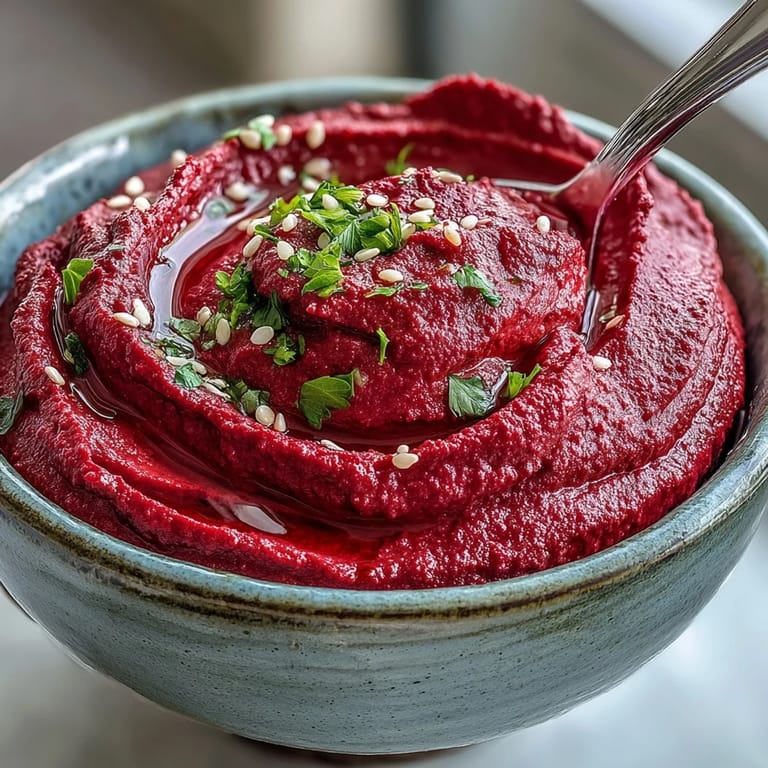
I brought this to a potluck once and watched people's faces change when they saw the color—that brilliant magenta-pink—and then watched them come back for more. Someone asked if it had beets in it with genuine surprise, as if such beauty couldn't come from something so humble. That moment reminded me how often the best foods are the ones that catch people off guard.
Ingredients
- 1 medium beet (about 180 g), trimmed and scrubbed: The star of the show—roasting it brings out natural sweetness and earthiness that tahini plays beautifully against.
- 1 small garlic clove, peeled: One clove is enough; more overwhelms the delicate beet flavor and the whole point disappears.
- 400 g (1 can) chickpeas, drained and rinsed: Canned is perfectly fine and saves time; just rinse them well to remove any tinny taste.
- 3 tbsp tahini: This is what makes it creamy and rich—don't skip it or use peanut butter as a substitute.
- 2 tbsp fresh lemon juice (about 1 lemon): Fresh juice matters here; bottled changes the brightness and you'll notice it.
- 2 tbsp extra-virgin olive oil, plus more for drizzling: Good quality oil shows up in the finish, so use something you'd actually taste on its own.
- ½ tsp ground cumin: This bridges the earthy beet with Middle Eastern warmth and makes the whole thing feel intentional.
- ¼ tsp sea salt, or to taste: Taste as you go because salt brings everything into focus at the end.
- 2–3 tbsp cold water (as needed): This is your texture control—add slowly and you'll find the perfect consistency without making it watery.
Tired of Takeout? 🥡
Get 10 meals you can make faster than delivery arrives. Seriously.
One email. No spam. Unsubscribe anytime.
Instructions
- Roast the beet until it's tender and sweet:
- Wrap it in foil and let the oven do the work for 40 to 45 minutes at 200°C. You'll know it's done when a fork slides through without resistance and the whole kitchen smells like caramelized earth.
- Cool it just enough to handle:
- Don't wait for it to be completely cold—warm beets peel more easily and the color stays more vibrant. Use a paper towel or your fingers to slip the skin right off.
- Combine everything in the food processor:
- Add the chopped beet, chickpeas, garlic, tahini, lemon juice, olive oil, cumin, and salt all at once. Pulse first to break things down, then blend until smooth, scraping down the sides whenever the mixture gets stuck to the edges.
- Add water gradually to find your perfect texture:
- With the motor running, add cold water one tablespoon at a time and watch how it transforms from thick to creamy. Stop when you like how it looks and moves—this is personal preference, not a rule.
- Taste and adjust one last time:
- A tiny pinch of extra salt or squeeze of lemon can wake everything up if it feels flat. Trust your palate here; you know what you like.
- Serve with a flourish:
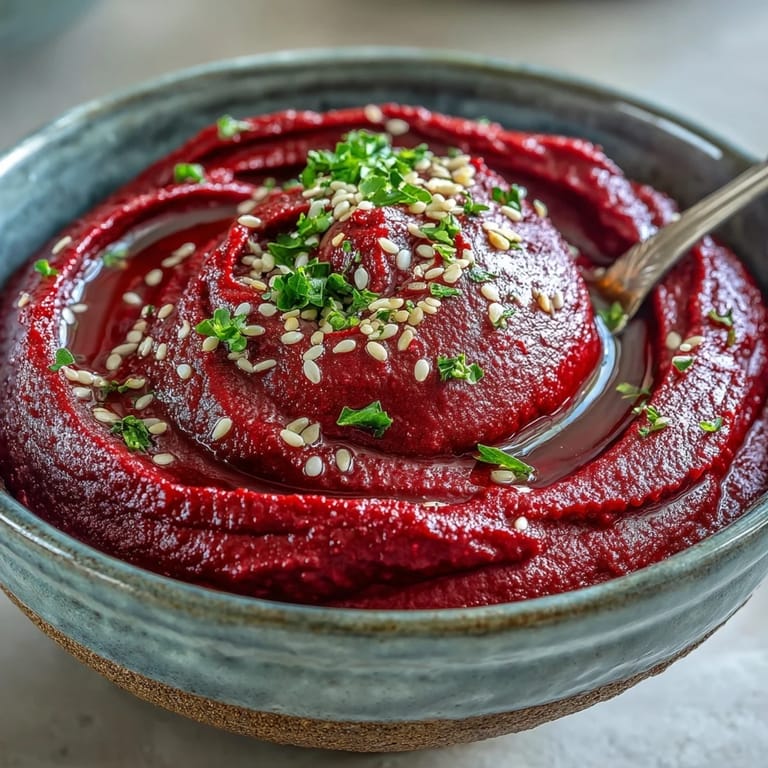
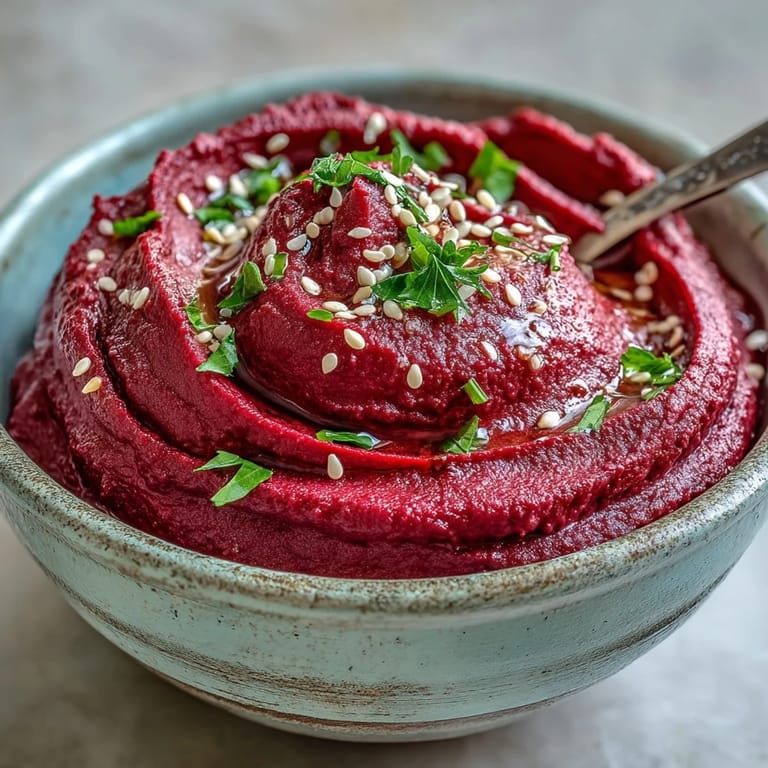
- Transfer to a bowl, drizzle olive oil in a spiral, and scatter whatever catches your eye—sesame seeds, fresh parsley, a whisper of cumin. The presentation is half the joy.
 Save
Save There was a moment last winter when my partner came home tired and hungry, and I set this hummus in front of them with fresh pita and a few raw vegetables. They looked at the color like it was something that glowed, then looked at me and smiled. Food doesn't have to be complicated to matter.
Why Roasted Beets Transform Everything
Roasting concentrates the natural sugars in beets, turning them from earthy to almost fruity. I learned this when I tried making hummus with raw beet once—it was flat and harsh, nothing like the silky, slightly sweet version that emerges from the oven. The warmth, the caramelization, the gentle breakdown of cell walls—all of it matters in ways you only understand when you taste the difference.
The Sesame and Tahini Secret
Tahini is what separates this from just pureed beets with chickpeas. It adds creaminess and a nutty depth that makes people ask what the secret ingredient is. The first time I made hummus, I measured everything perfectly but skipped the tahini thinking it was optional, and the result was thin and forgettable. Now I measure it first and build everything else around it.
Ways to Serve and Store This
This hummus is flexible in ways that surprised me—it works as a dip, a spread on sandwiches, a bed for roasted vegetables, or even thinned slightly as a dressing for grain bowls. I've had it transform a simple cheese board into something memorable, and I've kept it in the fridge through a busy week knowing I had something nutritious and gorgeous ready to go. The flavors actually deepen as it sits, so making it a day ahead is never a mistake.
- Keep it in a glass container with a tight lid and it stays fresh for up to four days in the coldest part of your fridge.
- If the surface starts to look darker or separated, just stir it gently and drizzle fresh olive oil on top to bring it back to life.
- Freeze it in portions if you want to save some for later—it thaws beautifully and tastes almost as good as fresh.
 Save
Save This hummus taught me that simple ingredients, treated with care and respect, become something worth sharing. Make it, taste it, adjust it until it feels like yours.
Recipe FAQ
- → Can I use canned beets instead of fresh?
While canned beets work in a pinch, roasting fresh beets develops a deeper, sweeter flavor that elevates this dip. If using canned, drain them well and roast briefly to concentrate their flavor.
- → How long does this keep in the refrigerator?
Store in an airtight container for up to 4 days. The flavors actually meld and improve after a day. Bring to room temperature before serving for the creamiest texture.
- → What can I serve with this hummus?
Pita bread, pita chips, cucumber slices, carrot sticks, and bell pepper peppers all pair beautifully. It also works as a sandwich spread or burger topping.
- → Is this freezer-friendly?
Yes! Freeze in portions for up to 3 months. Thaw overnight in the refrigerator and give it a good stir before serving. The texture may be slightly thicker after freezing.
- → Can I make this without a food processor?
A high-powered blender works, though you may need to stop and scrape more often. For a chunkier rustic version, mash everything by hand with a potato masher.