 Save
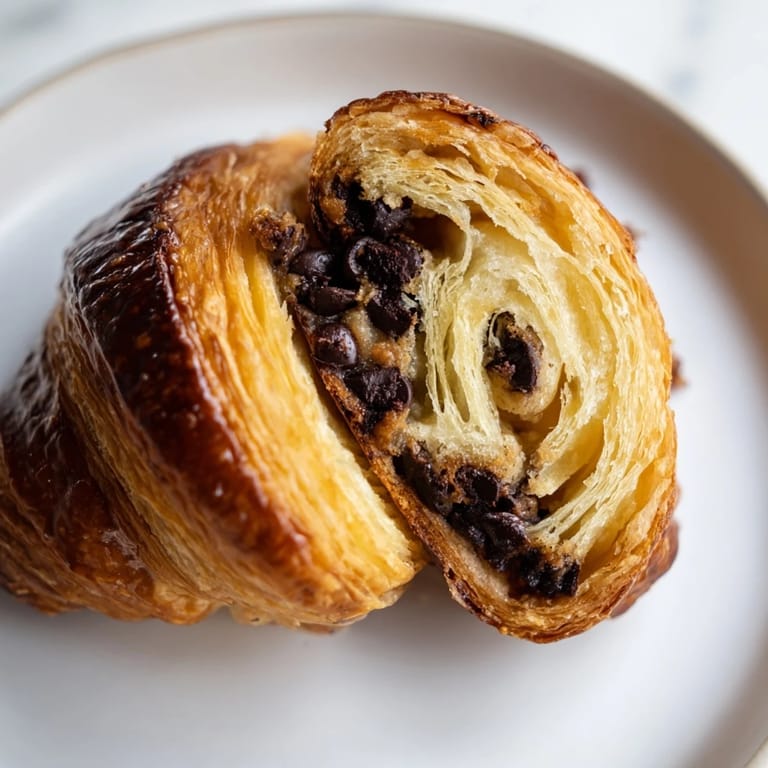
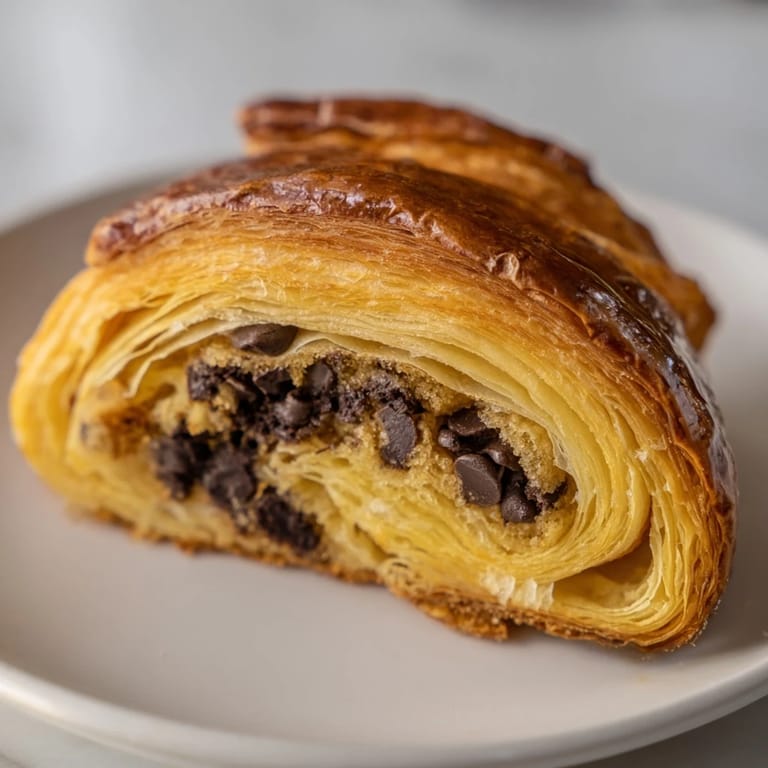
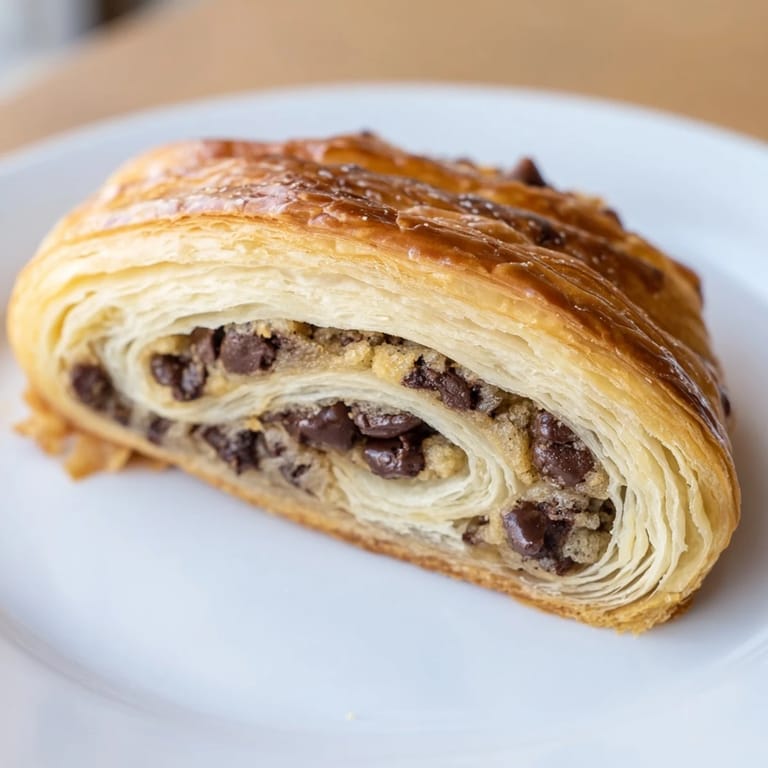
Save The first time I tried to make a crookie, I was standing in my tiny kitchen on a rainy Saturday afternoon, half-convinced I was attempting something impossible. A friend had texted me a photo of this golden, flaky pastry with chocolate chips peeking through, and I became completely obsessed. What if I could somehow marry the laminated butter layers of a croissant with the warm, gooey charm of a chocolate chip cookie? It seemed ridiculous, but my hands were already reaching for the flour. Two hours later, when I pulled them from the oven and bit into that first piece, the sound of the crispy exterior giving way to soft dough and melting chocolate made it all worth it.
I made these for my book club once, and watching five different people's faces light up as they bit into one was such a small joy. Everyone kept asking for the recipe, but honestly, the real gift was seeing them set aside their book discussion for ten minutes just to talk about how the butter was singing in their mouths. That's when I realized crookies aren't just dessert—they're a conversation starter wrapped in pastry.
Ingredients
- All-purpose flour (250 g + 120 g): The foundation that holds everything together; the lamination won't work if you use a softer, protein-light flour, so stick with a standard all-purpose.
- Unsalted butter (150 g cold + 25 g melted + 70 g softened): Cold butter creates steam pockets for flakiness, melted butter binds the dough, and softened butter creams with sugar for that tender cookie base.
- Granulated sugar (30 g + 40 g): The laminated dough needs just a touch of sweetness, while the cookie layer demands more for that signature brown-butter richness.
- Brown sugar (60 g): This is where the molasses magic happens—it keeps the cookie layer moist and adds depth that plain sugar can't.
- Instant yeast (7 g): Don't skip this or substitute; it's what gives the laminated dough its tender crumb and slight rise.
- Whole milk, lukewarm (120 ml): Warmth activates yeast without killing it—too hot and your dough won't rise, too cold and the yeast stays sleepy.
- Eggs (1 large + 1 large yolk): The whole egg hydrates and binds the laminated dough, while the yolk alone keeps the cookie layer tender and rich.
- Vanilla extract (1 tsp): A small amount that somehow makes the chocolate taste even more chocolatey.
- Baking soda (1/2 tsp): Essential for spread and lift in the cookie layer; without it, you get dense discs instead of tender crookies.
- Dark chocolate chips (100 g): Quality matters here because they're the star; cheap chips seize up and disappear into the dough, while good ones stay glossy and bold.
- Salt (1/4 tsp + 1 tsp): A small amount in each component balances sweetness and amplifies every flavor.
Tired of Takeout? 🥡
Get 10 meals you can make faster than delivery arrives. Seriously.
One email. No spam. Unsubscribe anytime.
Instructions
- Mix and Rest the Laminated Dough:
- Combine your flour, sugar, salt, and yeast in a large bowl, then add the lukewarm milk, melted butter, and egg. Stir until a shaggy dough comes together, then knead for 5 minutes until it's smooth and slightly elastic—you want it soft but not sticky. Shape it into a rough rectangle, wrap it, and let it rest in the fridge for 30 minutes while you catch your breath and gather your patience.
- Prepare the Butter Block:
- While the dough chills, place your cold butter between two sheets of parchment paper and roll or pound it into a roughly 15x15 cm square. Chill this block until it's firm but still slightly pliable—it should bend without cracking, like cold leather.
- Lock in the Butter:
- Roll the chilled dough into a 30x15 cm rectangle, then place your butter block in the center and fold the dough over it from both sides, sealing the edges like you're wrapping a gift. Roll the whole thing out to 45x20 cm, then fold it into thirds like a business letter—this is your first lamination, and it's easier than it sounds.
- Laminate Three Times:
- Chill for 30 minutes, then repeat the rolling-to-45x20-cm and folding-into-thirds step two more times, chilling 30 minutes between each fold. After the final fold, chill for a full hour so the butter and dough become one cohesive, flaky unit.
- Build the Cookie Layer:
- Beat your softened butter with both sugars until the mixture is pale and fluffy—about 2 minutes of vigorous beating. Add the egg yolk and vanilla, mix until glossy, then fold in the flour, baking soda, and salt just until no streaks remain. Gently fold in the chocolate chips and chill while waiting for the laminated dough.
- Assemble with Intention:
- Roll the laminated dough to 30x25 cm and about 6 mm thick—this is the sweet spot where you get flakiness without thickness that prevents cooking through. Spread or dollop the cookie dough evenly over the surface, leaving a 1 cm border so the edges can seal. Roll it up tightly from the long side, then slice into 8 equal rounds with a sharp, clean knife.
- Proof Until Puffy:
- Place your crookies on a parchment-lined baking sheet, cover them lightly with plastic wrap, and let them proof at room temperature for 1 hour. They should rise slightly and look a little plump, but not doubled—this is the sweet spot between raw and overproofed.
- Bake Until Golden:
- Preheat your oven to 190°C (375°F), then slide your sheet in and bake for 18–20 minutes until the tops are deep golden and a tooth pick inserted into a crookie comes out mostly clean with just a few fudgy crumbs. The bottoms should be crispy, and the edges should be slightly darker than the centers—that's how you know they're done.
 Save
Save I'll never forget my mom's face when she tried one fresh from the oven, still warm enough to burn her fingers. She took one bite, closed her eyes, and said, "This is what I didn't know I was missing," and suddenly the two hours of folding and chilling felt like time well spent. Food moments like that—quiet, honest, unplanned—are why I keep making these.
Why Lamination Matters
Lamination is just butter and dough taking turns, layer after layer, creating those thin sheets that puff and separate when heat hits them. The repetition feels meditative—fold, chill, fold, chill—and the payoff is a texture you can't fake with a shortcut. I used to think lamination was some French technique I'd never master, but honestly, it's just patience and cold hands.
Troubleshooting Your Crookies
If your crookies come out flat and dense, your laminated dough probably got too warm or your folds weren't tight enough; next time, keep everything cold and press hard when folding. If they're cakey instead of flaky, you might have overworked the dough or skipped a lamination fold. If the chocolate chips leak out onto the baking sheet, that's actually a sign they baked perfectly—those bits are crispy and delicious.
Make Them Your Own
The beauty of crookies is their flexibility; I've made them with white chocolate and raspberries for a friend's bridal shower, and with crushed pistachios and dark chocolate for a quiet Sunday morning. Once you understand the technique, the flavor variations are endless, and so is the joy of sharing something you invented in your own kitchen. For an extra touch of shine, brush the tops lightly with egg wash before baking, and if you want to add crunch, scatter chopped nuts or sea salt over the surface right after they come out of the oven.
- Try swapping dark chocolate for milk chocolate, white chocolate, or a mix of all three depending on your mood.
- Crushed nuts like almonds, hazelnuts, or pistachios add texture and sophistication without changing the core technique.
- If you make them ahead, reheat gently in a 160°C (320°F) oven for 5 minutes to wake up the flakiness before serving.
 Save
Save Crookies have become my answer to the question, "What should I bake?" when I want to impress without overthinking it. They're the kind of dessert that feels fancy but tastes like friendship.
Recipe FAQ
- → What makes the laminated dough unique?
Laminated dough involves folding cold butter into the flour mixture multiple times, creating delicate flaky layers when baked.
- → How is the chocolate chip layer prepared?
Butter and sugars are creamed first, then combined with egg yolk, vanilla, flour, baking soda, salt, and folded chocolate chips for a creamy dough.
- → Why is chilling important during preparation?
Chilling the dough solidifies the butter layers, helping create distinct flaky layers and preventing melting during baking.
- → Can I add variations to the chocolate layer?
Yes, try incorporating chopped nuts or different types of chocolate chips for personal flair and texture.
- → What is the best way to serve this treat?
Serve warm or at room temperature, ideally paired with coffee or tea to complement its rich, buttery and chocolaty flavors.
- → How should leftovers be stored and reheated?
Store in an airtight container and gently reheat to restore softness without drying out the layers.