 Save
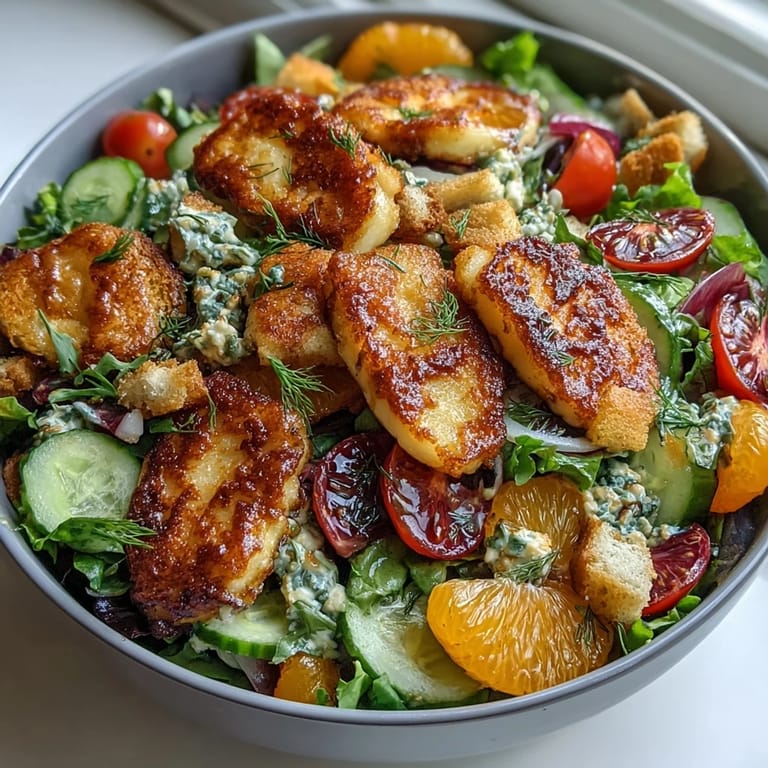
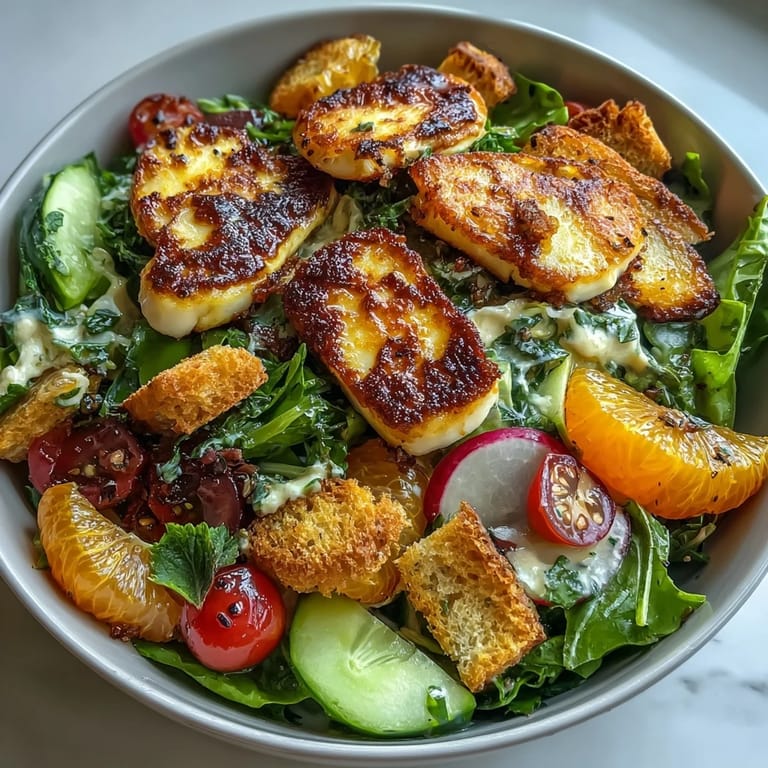
Save My kitchen smelled like toasted bread and sizzling cheese when I pulled this salad together on a rainy Tuesday. I had a block of halloumi that needed using and a bag of blood oranges from the market that were almost too pretty to eat. The combination felt risky at first, mixing something so salty and squeaky with citrus that sweet, but one bite and I was hooked. It became my go-to whenever I wanted something bright and filling without turning on the stove for long. Now it's the salad I crave when winter feels too gray.
I served this to friends who claimed they didn't like salad, and they went quiet for a few minutes, just eating. One of them asked if I'd made the dressing from scratch, surprised it wasn't bottled. The blood oranges were the star that night, their deep red juice pooling at the bottom of the bowl and mixing with the pomegranate molasses. Someone scooped up the extra dressing with a piece of bread, and suddenly everyone was doing it. It's the kind of dish that makes people lean in and ask for the recipe before they've even finished their plate.
Ingredients
- Halloumi cheese: This salty, squeaky cheese is the backbone of the salad, and frying it until golden gives you crispy edges with a soft, warm center that holds its shape beautifully.
- Blood oranges: Their sweet-tart flavor and stunning color make this salad look like art on a plate, and the juice adds natural sweetness to the dressing.
- Mixed salad greens: A mix of romaine, arugula, parsley, and mint brings different textures and a peppery freshness that balances the richness of the cheese.
- Cucumber: Crisp and cool, it adds a refreshing crunch that lightens every bite.
- Cherry tomatoes: Halved so their juices mingle with the dressing, they bring a burst of sweetness and acidity.
- Red onion: Slice it thin so it adds sharpness without overwhelming, and rinse it in cold water if you want to mellow the bite.
- Radishes: Their peppery snap and bright color make the salad feel more alive and textured.
- Sourdough bread: The tanginess of sourdough stands up to the bold flavors, and toasting it into croutons gives you little pockets of crunch that soak up the dressing.
- Olive oil: Use good quality extra virgin for the croutons and dressing, it's what ties everything together with a fruity richness.
- Lemon juice: Fresh is essential here, it sharpens the dressing and brightens the whole salad.
- Pomegranate molasses: This thick, tangy syrup adds a sweet-sour depth that's almost impossible to replicate with anything else.
- Sumac: A lemony, floral spice that's traditional in fattoush and gives the dressing its signature Middle Eastern flavor.
Tired of Takeout? 🥡
Get 10 meals you can make faster than delivery arrives. Seriously.
One email. No spam. Unsubscribe anytime.
Instructions
- Toast the Croutons:
- Preheat your oven to 200°C and toss the sourdough cubes with olive oil and a pinch of sea salt until they're lightly coated. Spread them out on a baking tray and bake for 8 to 10 minutes, shaking the tray halfway through, until they're golden and crunchy.
- Fry the Halloumi:
- Heat a non-stick skillet over medium heat without any oil, the cheese has enough fat to fry in its own juices. Lay the halloumi slices in the pan and cook for 2 to 3 minutes per side until they're golden brown with crispy edges, then drain briefly on a paper towel.
- Prep the Salad Base:
- In a large salad bowl, combine the mixed greens, diced cucumber, halved cherry tomatoes, thinly sliced red onion, radishes, and blood orange segments. Handle the oranges gently so they don't break apart and lose all their juice before you toss the salad.
- Whisk the Dressing:
- In a small bowl, whisk together the olive oil, lemon juice, pomegranate molasses, sumac, black pepper, and salt until the dressing is smooth and emulsified. Taste it and adjust the lemon or salt if needed, it should be tangy, slightly sweet, and bright.
- Assemble and Toss:
- Add the warm fried halloumi and crispy sourdough croutons to the salad bowl, then drizzle the dressing over everything. Toss gently with your hands or two spoons so the croutons soak up some dressing but don't get soggy, and the halloumi stays intact.
- Serve Immediately:
- Plate the salad right away while the halloumi is still warm and the croutons are crisp. The contrast of temperatures and textures is what makes this salad so irresistible.
 Save
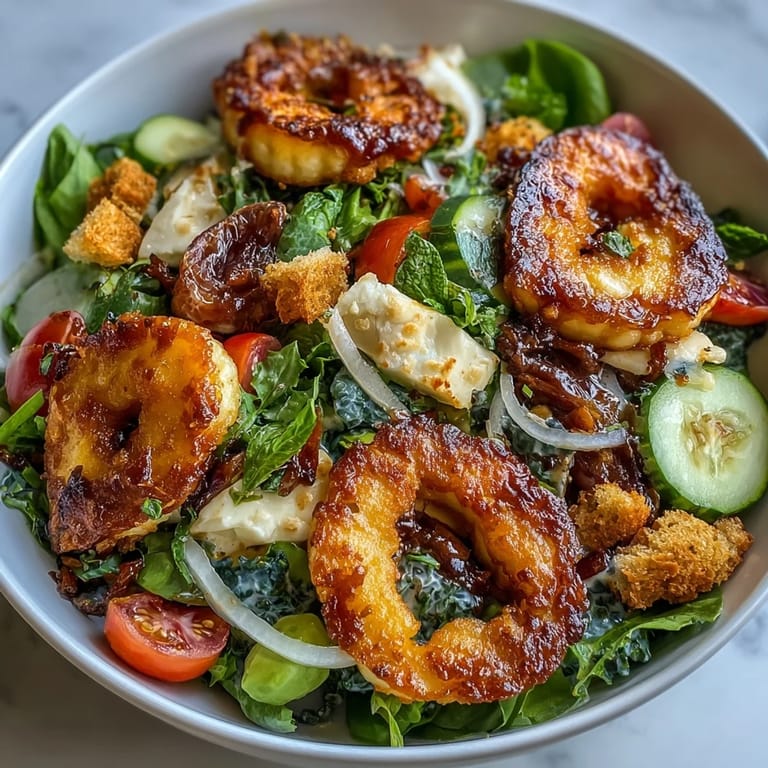
Save I made this salad for a potluck once and watched people go back for seconds, scraping the bowl for the last bits of dressing-soaked croutons. Someone asked if it was complicated, and I laughed because it felt like the easiest thing I'd brought all year. The halloumi was still a little warm, and the blood orange juice had turned the greens at the bottom into something almost pickled and tangy. It's the kind of dish that makes people feel cared for without you having to say much. I saved the recipe card in my phone that night because I knew I'd be asked for it again.
How to Pick the Best Blood Oranges
Look for blood oranges that feel heavy for their size, that means they're juicy inside. The skin should be smooth and firm, not wrinkled or soft, and the color can range from orange with red blush to deep crimson, depending on the variety. I like to smell them, a sweet, floral scent near the stem end usually means they're ripe. If you can't find blood oranges, regular navel oranges or even pink grapefruit work beautifully, though you'll lose that dramatic ruby color. Taste one segment before you add them to the salad so you know if you need to adjust the sweetness in the dressing.
Getting the Halloumi Just Right
Halloumi can go from golden and creamy to tough and rubbery fast, so keep the heat at medium and don't walk away from the pan. I slice mine about 1 cm thick so there's enough surface area to get crispy but still a soft, melty center. If your halloumi is very salty, soak the slices in warm water for 10 minutes before frying to draw out some of the brine. Pat them dry completely before they hit the pan, or they'll steam instead of fry. The cheese is ready to flip when it releases easily from the pan and has deep golden-brown edges.
Make-Ahead and Storage Tips
You can prep the salad components a few hours ahead, keep the greens, vegetables, and orange segments in the fridge in separate containers so nothing wilts. Make the croutons and dressing in advance too, but store them separately and don't toss everything together until just before serving. The halloumi is best fried right before you eat, but if you need to make it early, reheat it briefly in a hot skillet to crisp it up again. Leftovers don't keep well because the croutons get soggy and the greens wilt, but I've eaten the leftover halloumi cold straight from the fridge and it's still delicious.
- Add toasted pistachios or walnuts for extra crunch and a nutty richness.
- Scatter pomegranate seeds on top for little bursts of sweetness and a jewel-like pop of color.
- Pair this with a crisp white wine like Sauvignon Blanc or a cold sparkling water with lemon.
 Save
Save This salad has become my answer to almost every occasion, from quick weeknight dinners to impressively easy entertaining. It's proof that a handful of good ingredients and a little heat can turn into something you'll crave long after the bowl is empty.
Recipe FAQ
- → What makes fattoush different from regular salad?
Fattoush is a Middle Eastern salad characterized by crispy fried or toasted bread pieces mixed with fresh vegetables and herbs. The addition of sumac in the dressing gives it a distinctive tangy, lemony flavor that sets it apart from other salads.
- → Can I prepare the components ahead of time?
You can prepare the dressing, chop vegetables, and segment oranges up to a day in advance. Store them separately in the refrigerator. Make the croutons and fry the halloumi just before serving for optimal texture and warmth.
- → What can I substitute for halloumi?
Paneer or firm feta work well as alternatives, though they won't have the same melting quality. For a vegan option, try extra-firm tofu pressed and fried, though the flavor profile will change slightly.
- → How do I prevent the croutons from getting soggy?
Add croutons and halloumi just before serving. If you need to assemble ahead, store croutons separately and toss them in right before eating to maintain their crispy texture.
- → What pairs well with this dish?
This salad works beautifully alongside grilled meats like lamb or chicken. It also pairs wonderfully with other Middle Eastern dishes like hummus, baba ganoush, or as part of a larger mezze spread.
- → Can I use regular oranges instead of blood oranges?
Absolutely. Blood oranges provide a gorgeous color and slightly berry-like flavor, but navel or Valencia oranges work perfectly fine. The dish will still be delicious with the substitution.