 Save
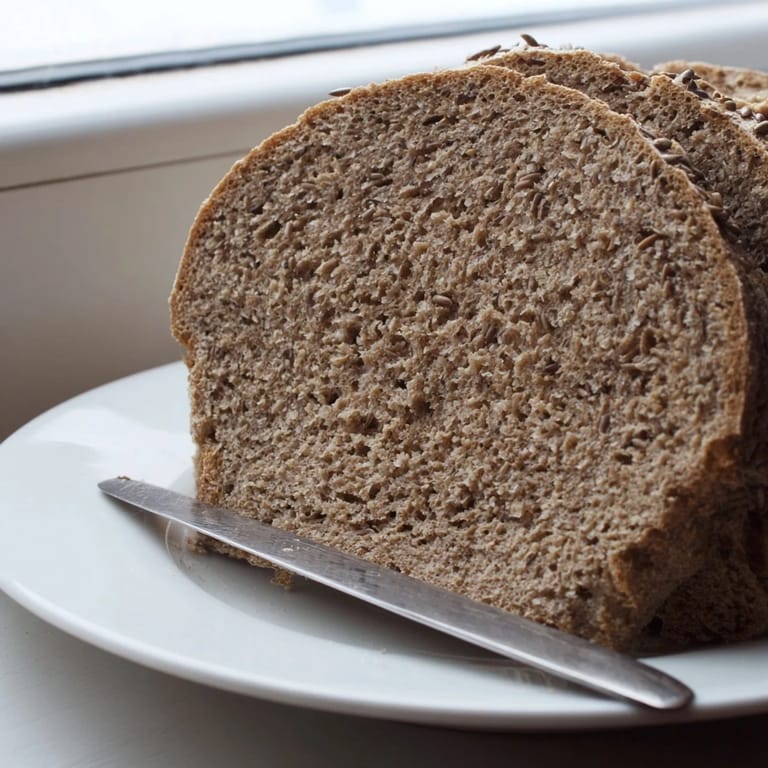
Save The first time I tasted rupjmaize was at a Riga cafe on a grey morning, the kind where the Baltic cold makes you grateful for warm bread. The baker sliced it thick, the crust cracking under the knife, and I watched steam rise from the dense, dark interior. One bite and I understood why this bread has sustained Latvian families for centuries—there's an honesty to it, a straightforward earthiness that makes everything it touches taste better. I've been chasing that exact flavor ever since, and after trial and error in my own kitchen, I've finally cracked the formula.
I made this for my neighbor last winter when she was recovering from surgery, and she cried when she saw it cooling on the rack. Not from the bread itself, but because it smelled like something real, something that took time and care. She sliced it that evening with butter and smoked salmon, and told me later it was the first thing she actually wanted to eat in weeks. That's when I realized rupjmaize isn't just bread—it's the kind of thing people remember.
Ingredients
- Dark rye flour (500 g): This is the backbone of the bread, giving it that deep color and earthy complexity that makes rupjmaize unmistakable.
- Bread flour (100 g): Just enough to give the dough structure and help it rise without losing that dense, moist crumb you're after.
- Active dry yeast (1 packet, 7 g): The long fermentation is forgiving, so don't stress if your yeast isn't perfectly fresh—it'll still work beautifully.
- Warm water (350 ml): Warm but not hot; if it's too hot you'll kill the yeast, and if it's too cold the dough won't wake up at all.
- Molasses or dark honey (2 tbsp): This adds depth and a subtle sweetness that balances the rye's earthiness; dark molasses is more authentic but honey works just as well.
- Salt (2 tsp): Don't skip it or reduce it—salt does more than season, it strengthens the gluten and controls fermentation.
- Caraway seeds (2 tsp): Lightly toast them first if you have time; it wakes up their flavor and makes the whole kitchen smell like a Latvian countryside.
- Vegetable oil (1 tbsp plus extra): Keeps the dough supple and the crust from drying out during that long overnight rise.
Tired of Takeout? 🥡
Get 10 meals you can make faster than delivery arrives. Seriously.
One email. No spam. Unsubscribe anytime.
Instructions
- Bloom the yeast:
- Stir the warm water, molasses, and yeast together and let it sit for 10 minutes until it foams up. This isn't just ceremonial—you're waking up the yeast and making sure it's alive before you commit to 16 hours of rising.
- Build the dough:
- Mix in the rye flour, bread flour, salt, and caraway seeds until everything is shaggy and combined, then drizzle in the oil. The dough will feel sticky and loose compared to wheat bread dough, and that's exactly right—rye dough is naturally wetter.
- Knead until smooth:
- Work it by hand or with a dough hook for 5 to 7 minutes until it comes together and feels smooth, not rough or lumpy. The dough will never be as elastic as wheat dough, but you'll feel it shift and become more cohesive as you work.
- Let it rise overnight:
- Oil a bowl, nestle the dough inside, cover it, and leave it at room temperature for 12 to 16 hours. This long, slow fermentation is where all the flavor happens—the bread practically makes itself while you sleep.
- Shape and second rise:
- Gently turn the dough out onto a floured surface, shape it into a round or oval, and place it on parchment or in a loaf pan. Cover and let it rise another 45 to 60 minutes until it's puffy but not explosively airy.
- Bake with steam:
- Dust the top with rye flour, score it if you like, and bake at 220°C for 45 to 50 minutes until it's deeply browned and sounds hollow when you tap the bottom. A few minutes into baking, throw a pan of water on the bottom rack to create steam—it helps develop that crackling crust.
- Cool completely:
- This step matters more than you'd think; bread continues cooking as it cools, and cutting into it too early releases all the steam. Let it sit on a rack until it's room temperature before you slice.
 Save
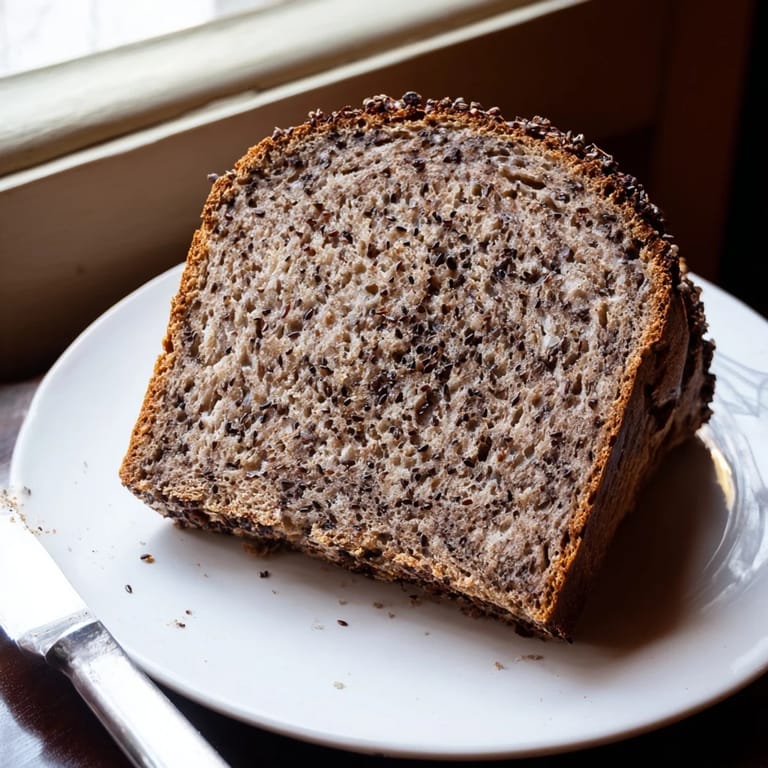
Save There's a moment the morning after you've shaped the dough when you walk into the kitchen and smell caraway and fermentation and earth all at once—that's when you know you're doing something right. By the time the loaf comes out of the oven, your kitchen doesn't smell like your kitchen anymore; it smells like a bakery in the old city of Riga.
The Long Fermentation Secret
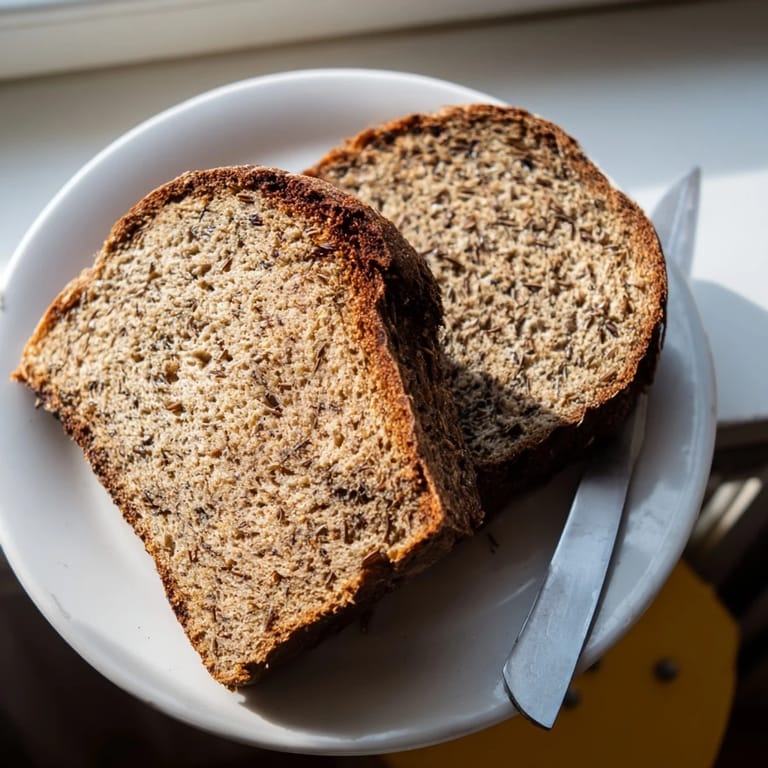
Most bread recipes push you to rush, but rupjmaize demands patience, and that patience is exactly where the magic lives. The overnight rise isn't a convenience—it's a feature. The slower yeast works, the more flavor compounds develop, and the more your dough naturally becomes digestible and complex. I learned this the hard way by trying to speed things up with warmer temperatures and a second rising in a proofing box, and the bread came out thin and one-dimensional. Once I committed to room temperature and 16 hours, everything changed. The crust developed this subtle deep brown that looks like mahogany, and the crumb developed this wheaty, almost slightly sour undertone that makes you reach for another slice.
Serving and Storage
Rupjmaize is at its best the day after baking, when the crumb has fully set and the flavors have mellowed slightly. Toast slices in a dry skillet or under the broiler to wake up the crust and bring out the nuttiness of the rye. This bread pairs beautifully with salted butter, smoked fish, sharp cheeses, or hearty soups where it can soak up all the goodness. I've also learned that a thin slice with good butter and a pinch of fleur de sel is sometimes enough to make you happy.
Making It Your Own
While traditional rupjmaize is pretty specific in its flavors, there's room to personalize it once you've made it a few times. Some bakers add a touch more molasses for sweetness, or toast the caraway seeds before adding them for a deeper, almost citrusy warmth. A friend from Riga once told me her grandmother added a pinch of ground coriander alongside the caraway, and now I do too because it adds a subtle brightness that sits underneath everything else. The foundation is solid enough that small tweaks won't derail you, but the first time you make it, stick to the formula and let the bread teach you what it wants.
- If you have time, lightly toast the caraway seeds in a dry pan before adding them—the flavor becomes rounder and more developed.
- For a richer crust, brush the shaped dough with a thin wash of water mixed with a touch of molasses before baking.
- This bread freezes beautifully for up to a month; slice it first so you can toast individual slices straight from the freezer.
 Save
Save Making rupjmaize changed how I think about bread—it taught me that simple doesn't mean fast, and that some of the best flavors come from patience. This is bread for sharing, for slicing thick, for soaking in soup or spreading with butter and eating while it's still warm enough to be gentle and crumbly at once.
Recipe FAQ
- → What gives Latvian Rupjmaize its distinctive flavor?
The combination of dark rye flour, molasses or honey, and caraway seeds creates its deep, slightly sweet, and aromatic profile.
- → Why is the dough sticky during kneading?
Rye flour has less gluten and more soluble fibers, resulting in a denser, stickier dough compared to wheat flour.
- → Can caraway seeds be toasted before adding?
Yes, lightly toasting caraway seeds enhances their nuttiness and adds more depth to the bread's flavor.
- → How long should the dough rise for best results?
A long rise of 12–16 hours at room temperature allows the dough to develop its characteristic texture and flavor complexity.
- → What is the best way to store this bread?
Store the cooled loaf wrapped at room temperature or slice and freeze for easy toasting later.