 Save
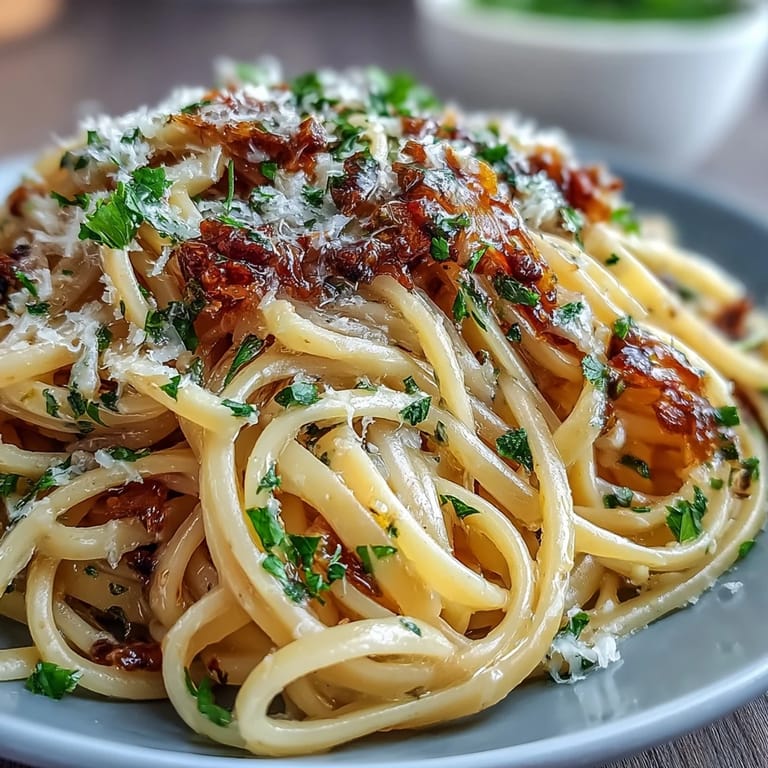
Save I discovered this pasta on an ordinary Tuesday evening when my refrigerator held only butter, a forgotten lemon, and a bag of frozen peas. What emerged from that modest combination was something so bright and elegant that it's become my go-to when I need dinner on the table without fuss or fanfare. The beauty of lemon butter pasta lies in its simplicity—no heavy cream, no complicated techniques, just the magic of a few quality ingredients coming together. That first bite, when the tartness of lemon hit against the richness of butter and the sweetness of fresh peas, felt like spring had arrived on my plate. Now whenever someone asks what I'm making for dinner, this is often the answer.
I made this for my neighbor who had just moved in next door, and she asked for the recipe before she'd even finished eating. What started as a neighborly dinner invitation turned into a regular Thursday night tradition, and I still remember her surprised expression when I told her there wasn't a drop of heavy cream in the sauce. There's something about sharing food that tastes restaurant-quality but comes from your own kitchen that builds unexpected friendships. That dish has become part of our story now.
Ingredients
- Linguine or spaghetti (12 oz): The thin strands catch the buttery sauce beautifully, though any pasta shape you love works here.
- Fresh or frozen green peas (1 cup): Frozen peas are honestly just as good as fresh and arrive at your door ready to use—no shame in that convenience.
- Garlic (2 cloves, minced): Keep it finely minced so it melts into the butter rather than creating distinct pieces.
- Lemon zest and juice (1 lemon): This is where the entire dish comes alive, so use a lemon that feels heavy for its size and smells fragrant.
- Fresh parsley (2 tbsp, chopped): Add this at the very end to preserve its bright, fresh flavor and color.
- Unsalted butter (4 tbsp): Real butter is non-negotiable here—it's the foundation of your sauce, so choose good quality.
- Grated Parmesan cheese (1/2 cup plus more): Grate it fresh if you can; pre-grated cheese contains anti-caking agents that affect how smoothly the sauce comes together.
- Salt and freshly ground black pepper: Season generously at the end—taste as you go and trust your palate.
Tired of Takeout? 🥡
Get 10 meals you can make faster than delivery arrives. Seriously.
One email. No spam. Unsubscribe anytime.
Instructions
- Set your pasta water up for success:
- Fill a large pot with water, salt it generously (it should taste like sea water), and bring it to a rolling boil. This starchy water becomes liquid gold for your sauce, so don't skip the salting step.
- Cook the pasta until it still has a little life:
- Follow the package instructions, but aim for al dente—that tender-but-slightly-firm texture. Reserve a full cup of pasta water before draining, then set the hot pasta aside.
- Build the sauce gently:
- Melt butter in a large skillet over medium heat, then add your minced garlic. Listen for the gentle sizzle and smell the moment it becomes fragrant—usually just a minute or so. You want aromatic, not brown.
- Let the peas warm through:
- Stir them into the butter and garlic, cooking for a few minutes until they're heated through (or just tender if using fresh). They'll add sweetness that balances the brightness of the lemon.
- Wake everything up with citrus:
- Add the lemon zest and juice, stirring gently. This is the moment the sauce transforms from simple to vibrant, so pause and breathe in that lemony aroma.
- Marry the pasta with the sauce:
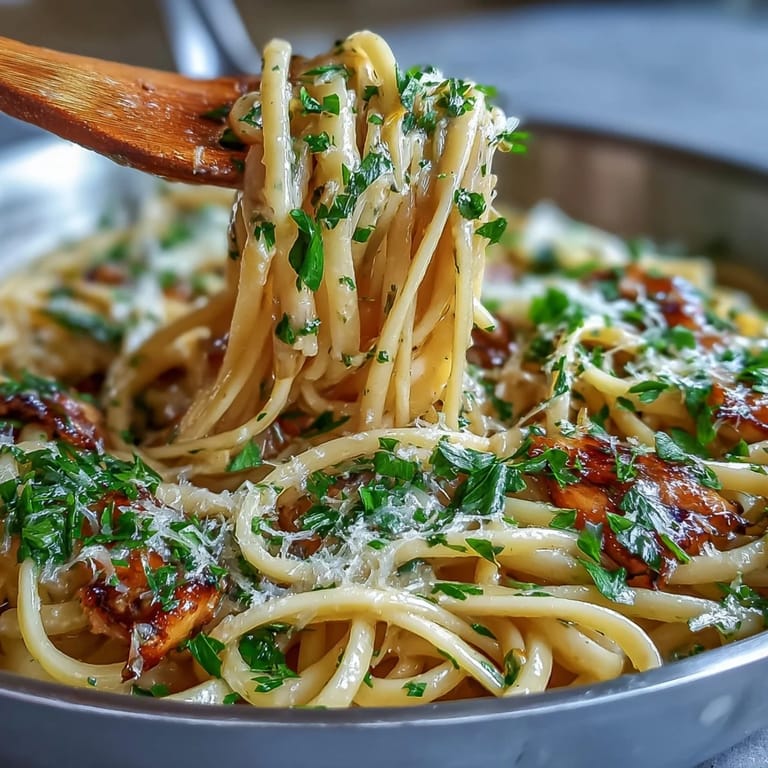
- Add your drained pasta directly to the skillet along with about half a cup of that reserved pasta water. Toss everything together, watching as the starchy water and butter begin to emulsify into something silky.
- Let the cheese melt into the party:
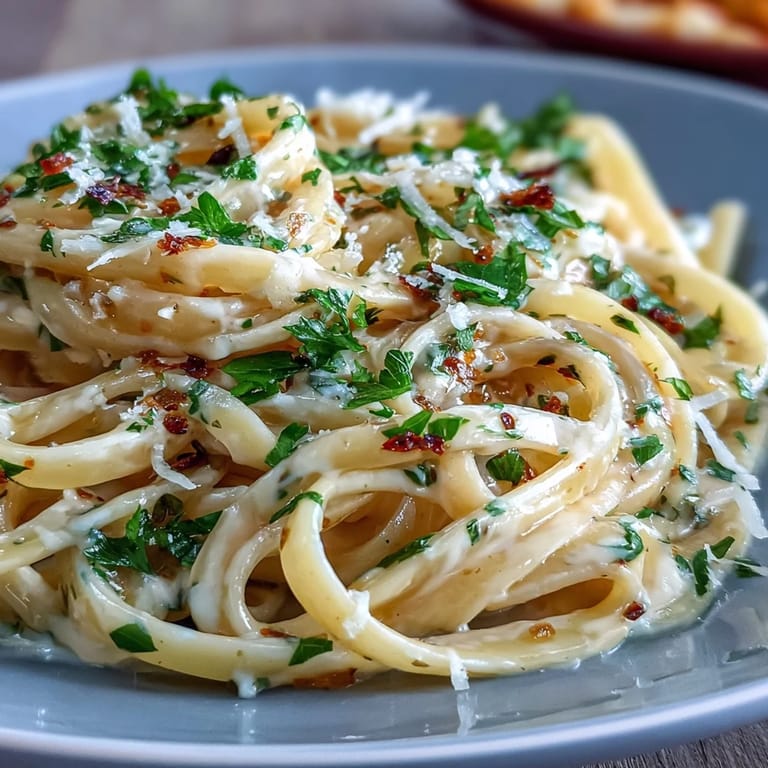
- Sprinkle in the Parmesan, salt, and pepper, tossing constantly. Add more pasta water a little at a time until the sauce coats every strand with a glossy, creamy appearance. This is where patience pays off—you're not making soup, you're making silk.
- Finish with brightness and heat:
- Remove from heat, stir in your fresh parsley, taste, and adjust seasoning if needed. Serve immediately into warmed bowls, topped with extra Parmesan and a crack of black pepper.
 Save
Save I'll never forget the moment my ten-year-old nephew asked for seconds without being prompted and then admitted he thought there was cream in the sauce. When I told him it was just butter, lemon, and pasta water, he looked at me like I'd performed magic, and I realized that simple, honest food has a way of surprising people. That's when this dish stopped being just dinner and became something I wanted to pass on.
Timing Tips for a Smooth Dinner
The key to pulling this off without stress is synchronizing your pasta water with your sauce. Start your water boiling first, then begin your butter and garlic about five minutes before the pasta finishes cooking. This way, everything meets at the skillet at roughly the same moment, and there's no scrambling or cold components. I learned this through trial and error—mostly error—and now I time it so that I'm tossing the pasta into the sauce while everything is still at its most cooperative.
Variations That Work Beautifully
While this pasta is perfect as written, it's also a blank canvas if you want to play. I've added crispy pancetta for richness, cherry tomatoes for brightness, and even a handful of arugula at the end for peppery depth. My cousin swears by adding grilled shrimp, and honestly, she's not wrong. The formula is forgiving—as long as you keep the lemon-butter sauce as your base, you can build whatever story you want.
Why This Pasta Wins Weeknights
There's something deeply satisfying about a meal that tastes like you put thought and effort into it when really you just opened your pantry and trusted the process. This pasta fits that sweet spot perfectly—it's impressive enough for unexpected guests but easy enough that you won't dread making it after a long day. Plus, cleanup is minimal since everything happens in one skillet, which feels like a small miracle in itself.
- Always grate your Parmesan fresh if you can; it melts into the sauce more smoothly and tastes less powdery.
- Keep a small bowl of extra pasta water at the table for anyone who wants to loosen their sauce further.
- Serve immediately in warmed bowls—the sauce sets quickly as the pasta cools, so don't wait around.
 Save
Save This recipe has become my answer to "what should I make for dinner?" because it never disappoints and always feels special. I hope it becomes that for you too.
Recipe FAQ
- → What type of pasta works best for this dish?
Linguine or spaghetti are recommended as they hold the lemon-butter sauce well and complement the peas' texture.
- → Can I use frozen peas instead of fresh?
Yes, frozen peas work perfectly. Just cook them until heated through to maintain their sweetness and texture.
- → How can I make the sauce creamier?
Reserve some pasta cooking water and add it gradually while tossing the pasta. This starchy water helps create a smooth, silky sauce.
- → What are some good add-ins to boost protein?
Sautéed shrimp or grilled chicken can be added after cooking to increase protein and complement the flavors.
- → Is there a way to add extra greens to this dish?
Adding baby spinach or arugula alongside the peas brings extra color and nutrition without overpowering the lemon-butter flavor.